Unpacking Design Principles Behind Immersive Roulette Variants for Digital Audiences
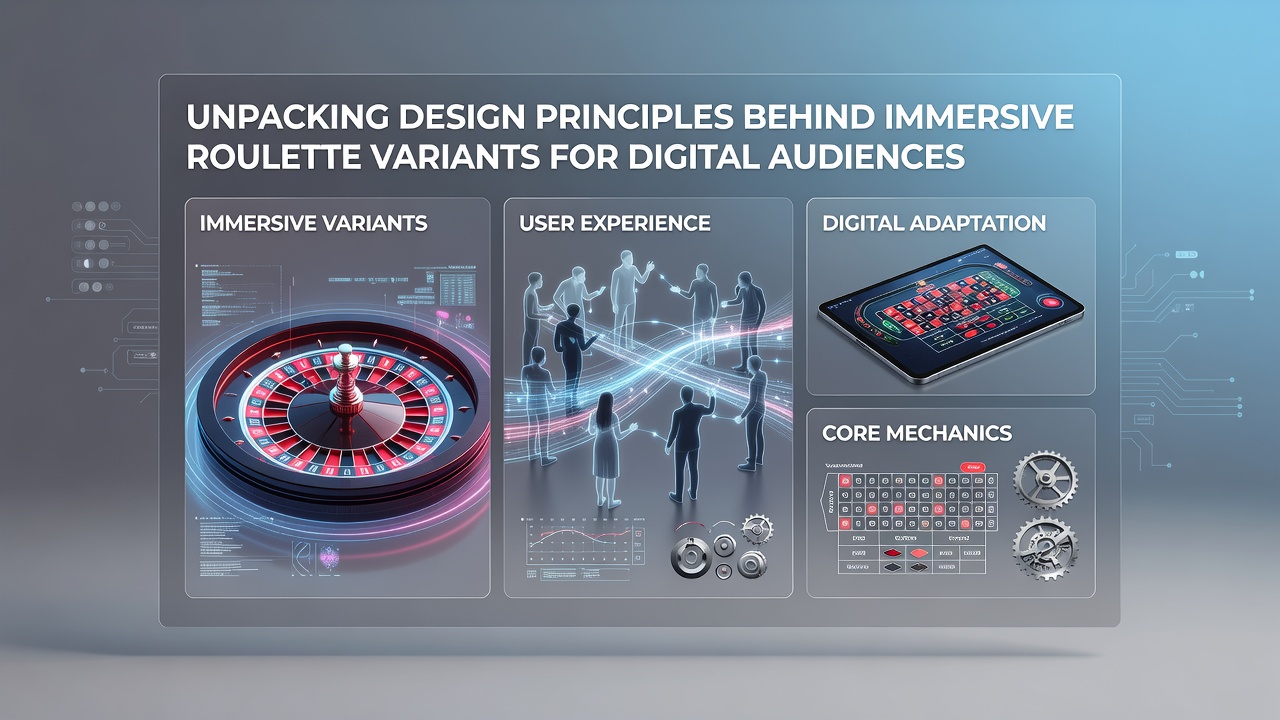
Immersive roulette variants for digital audiences rely on layered design choices that blend visual fidelity with responsive mechanics, and developers continue to refine these elements as platforms expand across devices. Research from institutions like the University of Nevada Reno shows how spatial audio combined with dynamic camera angles creates a stronger sense of presence, while real-time physics simulations maintain the integrity of wheel outcomes across sessions. Observers note that successful titles integrate these components without disrupting the core random number generation process that underpins fair play.
Visual Layering and Environmental Detail
High-resolution textures and adaptive lighting form the foundation of visual immersion in modern roulette variants, allowing scenes to shift based on time of day or table theme. Designers employ parallax effects and particle systems to simulate depth on flat screens, which helps maintain engagement during extended play periods. Data from the American Gaming Association indicates that titles incorporating these techniques see higher session durations when compared with standard digital versions released before 2023.
Color grading plays a significant role as well, with developers adjusting palettes to match regional preferences while preserving clarity for number recognition. Players often encounter environments that react to bets placed, such as subtle glows around hot numbers or animated chip stacks that reflect wager sizes. These details connect directly to core gameplay loops rather than serving as mere decoration.
Audio Design and Sensory Feedback
Soundscapes in immersive roulette extend beyond basic wheel spins to include layered ambient tracks that evolve with table activity. Engineers synchronize chip clinks and dealer announcements with visual cues, creating multisensory loops that reinforce outcome anticipation. Studies published in the Journal of Gambling Studies reveal that synchronized audio cues can influence perceived pace without altering actual game mathematics.
Voice modulation technologies allow dealers to respond to collective player patterns in live-streamed variants, and spatial audio rendering ensures directional accuracy when users wear headphones. This approach supports both solitary sessions and shared virtual tables where multiple participants occupy the same rendered space.
Interface Responsiveness and Player Control
Touch-optimized controls and gesture-based betting represent key advancements that distinguish immersive variants from earlier digital formats. Interfaces scale dynamically across screen sizes, preserving button accessibility while minimizing occlusion of critical wheel visuals. According to findings shared by the Canadian Gaming Association, streamlined input methods correlate with reduced error rates during rapid betting sequences.
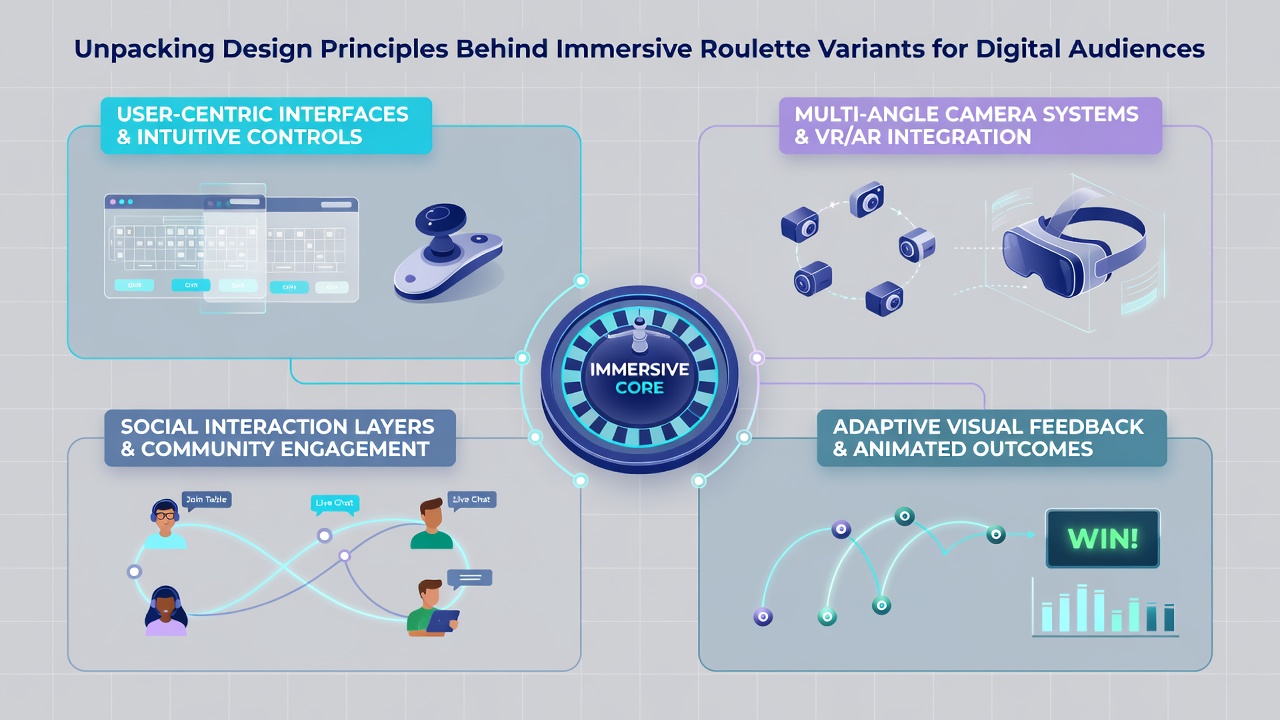
Customization options let users adjust camera perspectives or toggle information overlays, which accommodates different experience levels without compromising the shared ruleset. Real-time statistics panels update via secure data streams, offering historical trends that players reference when forming strategies. Yet these panels remain secondary to the primary wheel view so attention stays focused on the central action.
Technological Integration and Realism
Virtual reality headsets and augmented reality overlays introduce new dimensions to roulette design, with tracking systems translating head movements into corresponding camera shifts. Developers maintain frame rates above sixty per second to prevent motion discomfort, and calibration tools ensure consistent performance across hardware variations. Industry reports from the International Association of Gaming Regulators highlight how these standards support broader device compatibility as adoption grows.
Live dealer feeds combine with rendered elements in hybrid setups, allowing physical wheel results to trigger digital animations that enhance atmosphere. Synchronization protocols prevent desync issues that could undermine trust, while bandwidth optimization techniques keep streams stable during peak hours. In June 2026 several platforms plan to roll out enhanced cross-device handoff features that preserve session state when users switch between desktop and mobile environments.
Balancing Immersion with Fairness Mechanics
Transparent random number generation remains visible through certification badges and audit summaries that appear within game menus. Designers embed these assurances without breaking visual flow, often placing verification links in expandable panels. Research conducted by the Australian Institute of Criminology demonstrates that clear presentation of fairness data increases player confidence across digital gambling formats.
Variant-specific features, such as multi-wheel configurations or community bonus rounds, receive the same rigorous testing protocols as standard tables. Progressive elements tie into base gameplay through shared prize pools that update in real time, yet each remains governed by independently verified algorithms. This separation ensures that added layers of engagement do not compromise outcome predictability.
Conclusion
Design principles guiding immersive roulette variants continue to evolve through iterative testing and cross-disciplinary input from visual artists, audio engineers, and compliance specialists. Platforms that successfully integrate these elements deliver consistent experiences that respect both entertainment value and regulatory requirements. As hardware capabilities advance, future iterations will likely emphasize even tighter synchronization between physical and digital components while preserving the foundational randomness that defines the game.