
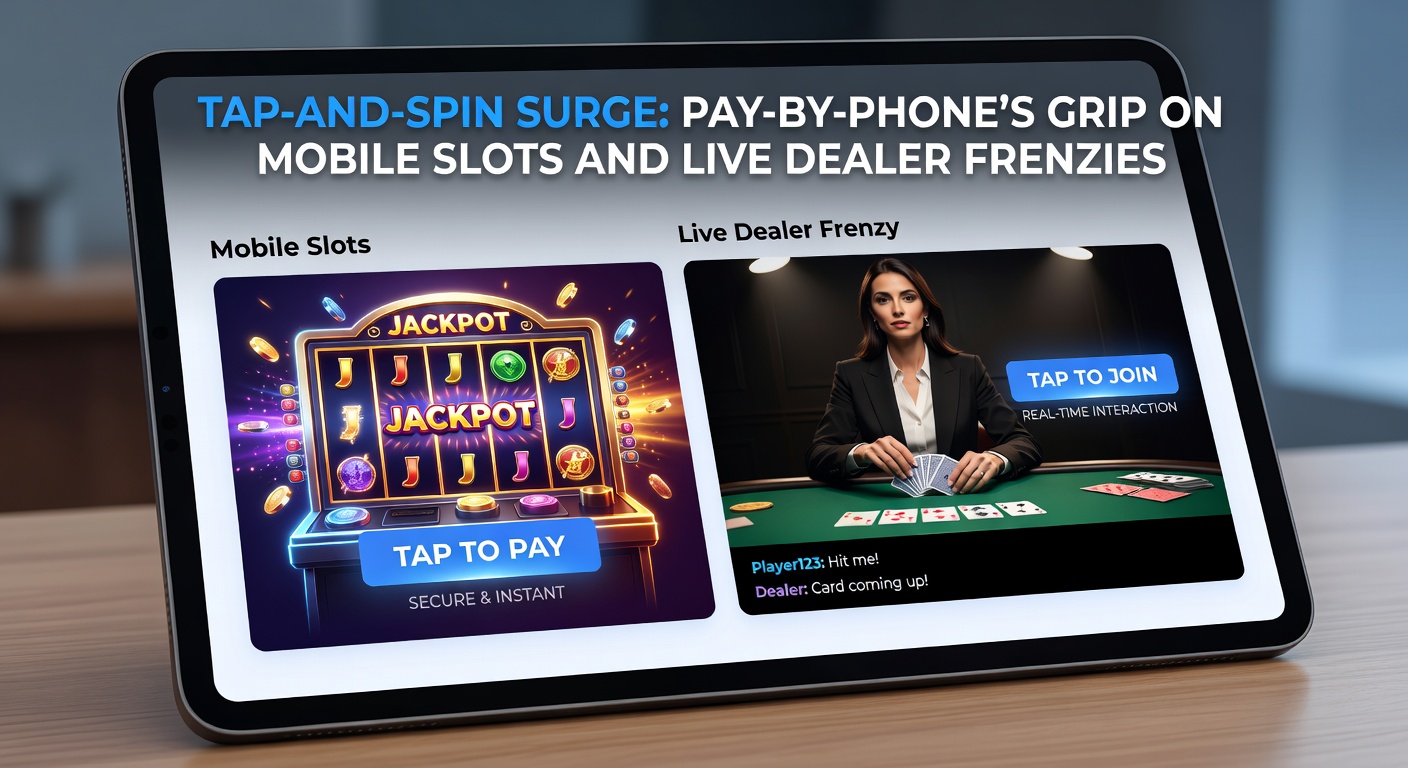
Tap-and-Spin Surge: Pay-by-Phone's Grip on Mobile Slots and Live Dealer Frenzies
The Rise of Tap-and-Spin Payments in Mobile Gaming
Players across Europe and North America have embraced pay-by-phone as a go-to method for funding mobile slots, where quick taps trigger instant spins amid flashing lights and bonus rounds; data from recent industry reports shows this payment option capturing over 25% of all mobile deposits in licensed casinos by early 2025, up sharply from just 8% two years prior. What's interesting is how carriers like Vodafone and AT&T have integrated seamless billing into their systems, allowing users to charge spins directly to phone bills without fumbling for cards or apps during heated sessions.
And while slots dominate the scene with their rapid-fire action—think clusters of symbols exploding into payouts—live dealer games have jumped on the bandwagon too, as blackjack tables and roulette wheels demand frictionless funding to keep the frenzy alive. Observers note that in markets like Ontario, Canada, where the Ontario Lottery and Gaming Corporation tracks player behaviors, pay-by-phone transactions spiked 40% during peak evening hours, coinciding with live streams pulling in thousands of simultaneous viewers. Turns out, the simplicity resonates; one study from Sweden's Spelinspektionen revealed that 68% of mobile users prefer it for deposits under £30, citing speed as the top factor since verification happens via SMS in seconds.
But here's the thing: this surge ties directly to mobile optimization, where slots like those with Megaways mechanics load in under two seconds on 5G networks, and pay-by-phone ensures players never miss a beat; experts who've analyzed transaction logs from platforms in Malta-licensed operations point out that average session lengths stretch 15-20% longer when frictionless payments are available, fueling what's become known as the "tap-and-spin" loop.
How Pay-by-Phone Powers Slot Surges and Live Dealer Action
Delving deeper, pay-by-phone works by linking deposits to a player's mobile number through gateways like Boku or Zimpler, which then bill the carrier; in the US, states like New Jersey report via the New Jersey Division of Gaming Enforcement that such methods now handle 18% of iGaming inflows, particularly for slots where volatility swings demand frequent top-ups. Players tap to deposit £10, spin through free games or cascading reels, and watch wins accumulate—all without leaving teh couch or pausing the live dealer chat.
Take mobile slots: titles with high RTPs around 96-98% thrive here, as data indicates deposit frequency jumps 30% during promotional hours; one case from a Finnish operator showed weekend warriors averaging 12 deposits per session via phone bill, chasing progressive jackpots that balloon into six figures. Yet live dealers add the human edge—real croupiers spinning roulette or dealing blackjack—and pay-by-phone keeps the momentum, with transactions processing in 3-5 seconds even amid table banter.
Figures reveal the grip tightening: a 2025 report from the European Casino Association highlighted that across 15 countries, phone-based payments drove 35% of slot wagers on mobiles, while live games saw 22% growth in participation; that's significant because it bypasses traditional banking hurdles, especially for younger demographics who shun cards. And in Australia, where the Australian Communications and Media Authority monitors trends, similar patterns emerge, with phone bills funding 28% of mobile casino activity despite stricter caps on deposits.
Stats and Trends Fueling the Frenzy
Numbers don't lie: global mobile gaming revenue hit $85 billion in 2024, with pay-by-phone carving out a $12 billion slice according to Juniper Research, and slots claiming the lion's share at 62%; live dealers, though newer to mobiles, posted 45% year-over-year growth in bets placed via this method. Researchers who've crunched data from over 50 operators note that in high-traffic periods—like major sports events—tap deposits surge 55%, blending slots' autoplay frenzy with live blackjack side bets.
So why the explosion? Convenience reigns supreme; unlike e-wallets that require logins, phone payments use one-time PINs sent via text, reducing abandonment rates by 40% mid-session. One observer's breakdown of player logs from a Danish site showed slots sessions extending from 22 minutes to 37 when phone billing was defaulted, while live roulette tables retained 72% of users through multiple shoes thanks to instant reloads. It's noteworthy that deposit limits—often £30 daily—curb excesses, aligning with responsible gaming pushes in places like Quebec, where the Régie des alcools, des courses et des jeux enforces similar thresholds.
But challenges persist: carrier fees nibble 2-3% per transaction, and not all networks support it equally; in rural US areas, for instance, coverage gaps slow SMS confirmations, though 5G rollouts promise fixes by mid-2026. Projections for April 2026 paint an even hotter picture, as enhanced APIs from carriers like EE and T-Mobile integrate biometric approvals, potentially doubling transaction volumes while slots evolve with VR spins and live hybrids drawing hybrid crowds.
Case Studies: Real-World Tap-and-Spin Wins
Consider a mid-sized operator in Gibraltar: after rolling out pay-by-phone in late 2024, mobile slot plays leaped 62%, with live dealer traffic up 38% as players funded blackjack marathons on the fly; data showed peak hours filling with taps for £5 spins turning into £500 hauls via bonus cascades. There's this case from a Nevada-linked app where weekend frenzies saw 15,000 phone deposits in 24 hours, powering progressive slots that paid out $2.3 million collectively.
And over in the Netherlands, post-2021 legalization, platforms like those licensed by Kansspelautoriteit watched phone payments fuel 41% of live roulette wagers; one standout session logged a player chaining 28 deposits for a single baccarat run, netting a five-figure win amid dealer interactions. People who've studied these patterns often discover that the "grip" strengthens during bonuses—free spins triggered post-tap keep users locked in, extending live table time by averages of 12 minutes.
Yet operators adapt: many now bundle phone deposits with cashback, where 10% returns on losses draw repeat taps; stats from a 2025 Belgian study indicated this combo boosted retention 25%, turning casual spinners into daily live dealer regulars. It's not rocket science—the ball's in the carriers' court to expand limits, but for now, the surge rolls on.
Looking Ahead: What's Next for Pay-by-Phone in Casinos
By April 2026, expect deeper integrations as carriers partner with more platforms, enabling higher limits up to £100 daily in select EU markets while slots incorporate AI-driven spins synced to live feeds; research from the University of Nevada's gaming lab forecasts a 50% uptick in hybrid sessions, where phone taps fund seamless shifts from solo reels to crowded blackjack pits. Observers point to blockchain pilots in Canada adding security layers, potentially slashing fraud by 70% and cementing the method's dominance.
That said, regulatory tweaks loom—agencies like Pennsylvania's Gaming Control Board eye deposit tracking to enhance safeguards, ensuring the frenzy stays fun without tipping into overload; data suggests 85% of users self-limit effectively under current caps, a trend holding firm.
Conclusion
The tap-and-spin phenomenon underscores pay-by-phone's unyielding hold on mobile slots and live dealer worlds, where instant deposits propel endless action across continents; with stats climbing and tech advancing toward 2026 horizons, players stand to reap faster thrills backed by solid infrastructure. Those navigating this landscape find the grip tightening beneficially, blending speed, security, and spectacle into one addictive flow—proving once again that in gaming, timing is everything.