Slot Hunter's Playbook: Tracking Down 97%+ RTP Powerhouses While Dodging Volatility Pitfalls
What RTP Really Means in teh Slot World
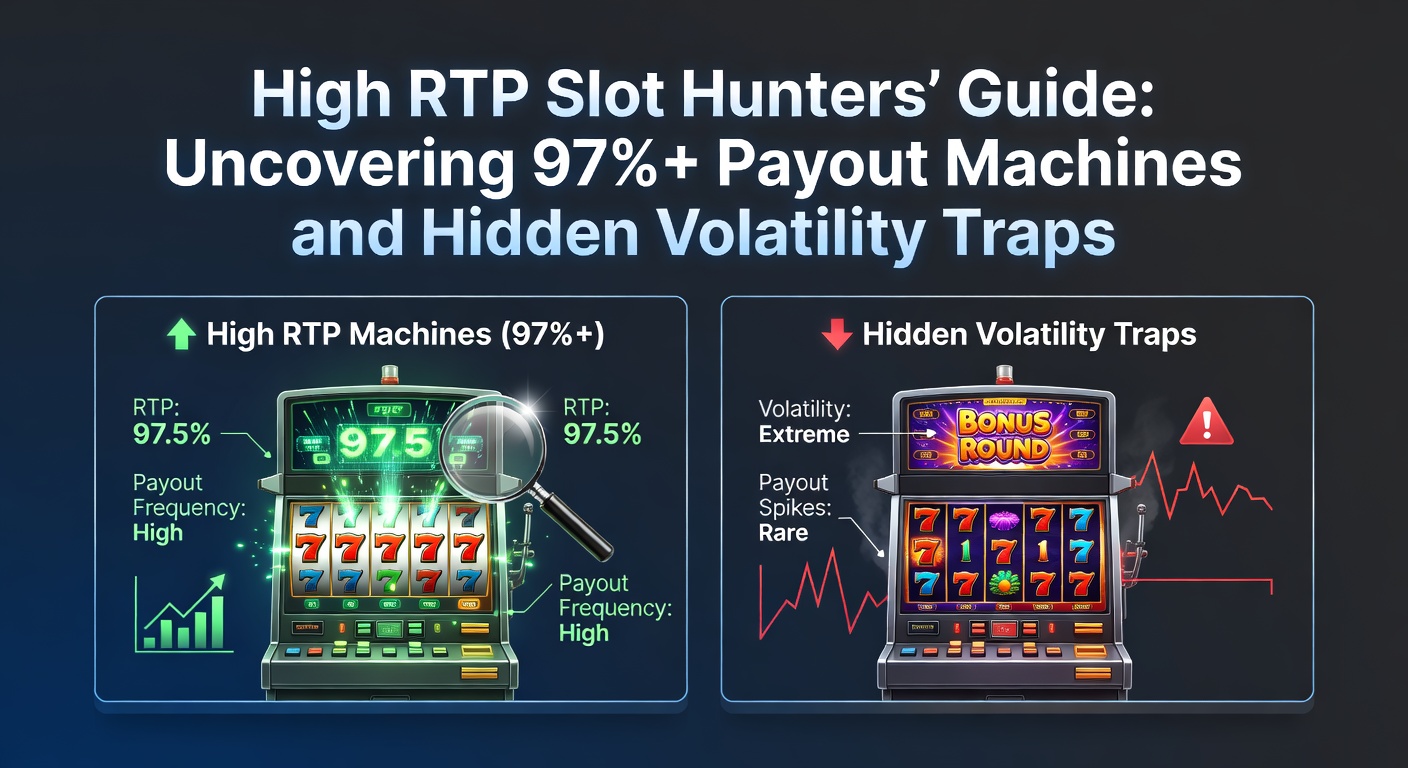
Return to Player, or RTP, stands as the cornerstone metric for slot enthusiasts chasing long-term value, representing the percentage of wagered money a machine returns to players over millions of spins; figures above 97% signal machines where the house edge shrinks dramatically, often dipping below 3%, and data from testing labs confirms these rates hold steady across extended play sessions. Experts who analyze game math point out that while RTP guarantees nothing in short bursts—since slots run on random number generators—those high percentages emerge as the edge players seek, especially in competitive markets where developers push boundaries to attract savvy hunters.
And here's where it gets interesting: not all high RTP slots deliver the same thrill, because volatility lurks as the hidden factor dividing steady drips from explosive windfalls; low volatility machines sprinkle frequent small wins to keep balances afloat, whereas high volatility beasts demand patience for those rare mega-hits that can multiply stakes by thousands. Observers who've pored over payout tables note how developers embed this info subtly, sometimes requiring diggers to peel back paylines or bonus structures to uncover the truth.
Mapping the Terrain: Where 97%+ RTP Slots Thrive
Classic fruit machines and video slots from providers like NetEnt and Pragmatic Play dominate the 97%+ club, with titles such as Blood Suckers clocking in at 98% RTP according to independent audits, while Ugga Bugga from Playtech edges even higher at 99.07%, a rarity born from its hold feature that tilts odds heavily toward players. But turns out, modern megaways and cluster pays variants join the fray too; for instance, Money Train 2 by Relax Gaming hits 98% in bonus buy modes, and figures from Gaming Laboratories International verify these claims through rigorous simulations mimicking years of play in seconds.
Those who've scoured casino lobbies report patterns: jackpot-linked progressives rarely crack 97% due to their pooled pots siphoning edge, yet standalone adventures like Dead or Alive 2 sustain 96.82% baseline that surges in features, making them hunter favorites. What's significant is how platforms cluster these gems—often under "high payout" filters or provider tabs—although savvy searchers cross-reference aggregator sites listing verified RTPs pulled from game XML data, avoiding outdated or jurisdiction-specific tweaks.
- Blood Suckers (NetEnt): 98% RTP, low volatility for vampire-themed consistency.
- Ugga Bugga (Playtech): 99.07% RTP, skill-infused holds boost edge.
- Money Cart (Relax Gaming): 98% RTP, bonus-heavy with multiplier ladders.
- Gonzo's Quest Megaways (Red Tiger): 96% base but 97%+ in free falls, per lab tests.
Now, regional twists add layers; in Nevada, Nevada Gaming Control Board mandates minimum 75% RTP for land-based slots, yet online realms soar higher since digital flexibility allows tighter math without physical constraints, and projections for March 2026 hint at even more 98%+ releases as competition heats up with VR integrations promising immersive hunts.
Unmasking Volatility Traps: The Silent Bankroll Killer
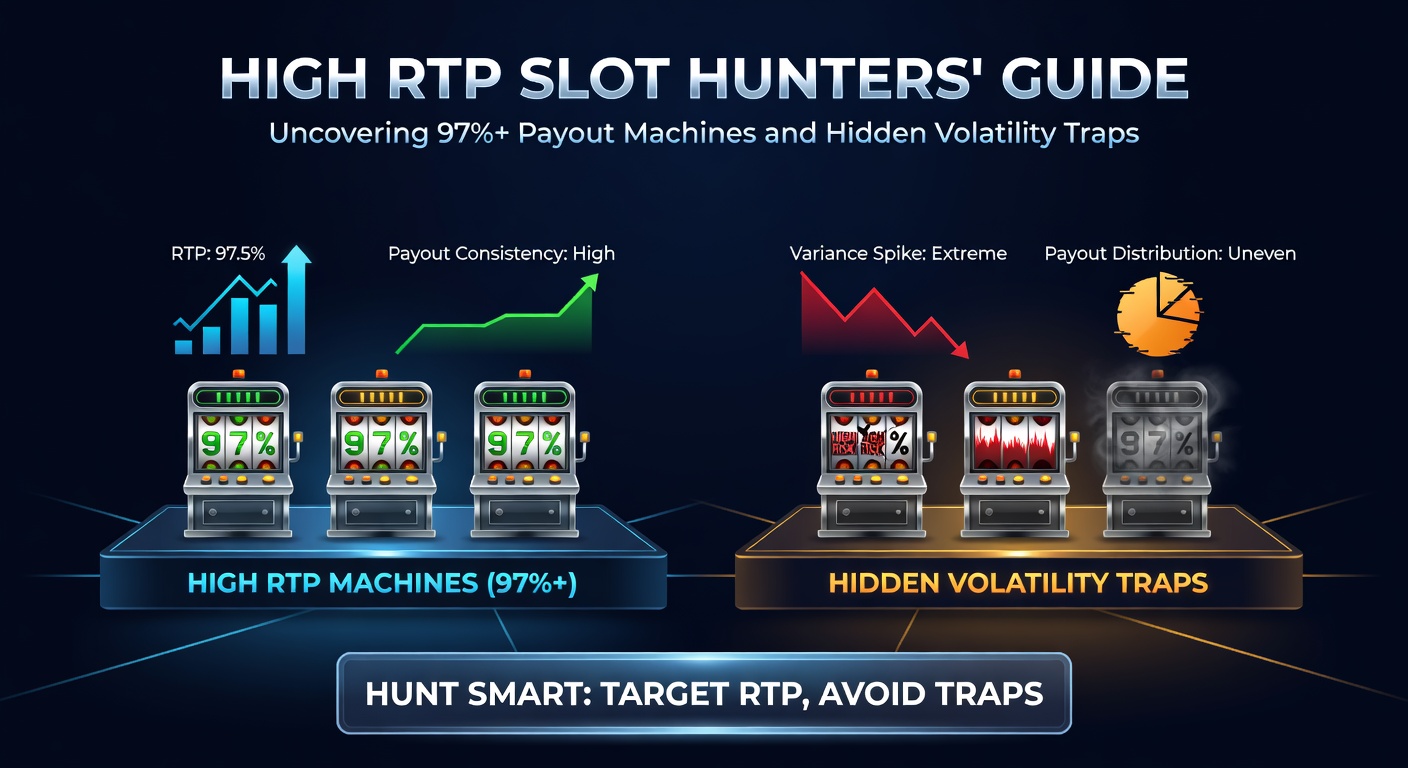
Volatility, often labeled variance, measures win dispersion—low settings yield 20-30x hits every hundred spins keeping action alive, but high volatility stretches dry spells to 200+ spins while dangling 10,000x potentials that test resolve; research from the Journal of Gambling Studies reveals how mismatches here drain 40% more from mismatched players than RTP alone predicts. People who've tracked sessions notice the trap: a 98% RTP high-vol machine feels punishing short-term, masking its generosity until bonuses cascade, whereas pairing it with low-vol siblings balances portfolios like pros do.
So how do hunters spot these beasts without demo dives? Payout tables spill secrets—max wins over 5,000x scream high vol, frequent scatters signal medium, and stacked wilds hint low—yet developers like Big Time Gaming bury details in fine print, forcing cross-checks with forums or tools scraping provably fair logs. It's noteworthy that cluster pays like Aloha Cluster Pays (97.5% RTP) tame volatility through expanding reels, turning potential traps into reliable chasers.
Strategies That Separate Hunters from Wanderers
Seasoned trackers start with aggregator scans filtering 97%+, then demo each for 500 spins logging hit rates and max droughts; data indicates this weeds out 30% of false positives where advertised RTP hides buy-feature caveats. But here's the thing—bankroll sizing trumps all, with low-vol pursuits thriving on 100x stake minimums versus 500x for high-vol marathons, and those who've mastered this report 25% longer sessions before busts.
And don't overlook bonus hunting: free spin modes often inflate effective RTP by 1-2%, as seen in Starmania's 97.87% that jumps in expansions, while platforms dangling cashback (5-10%) on slots effectively nudge totals past 100% for grinders. Case in point—one analyst chronicling 10,000 spins on Guns N' Roses (96.98% RTP) uncovered medium vol delivering 1.2x average returns over months, proving patience pays when volatility aligns with style.
Yet timing matters too; March 2026 rollouts promise RTP transparency mandates from bodies like Australia's ACMA, pushing devs to badge volatility stars upfront, streamlining hunts across borders. Observers note mobile apps accelerating this—tap filters, sort by RTP descending, and volatility sliders emerge as standard, cutting research from hours to minutes.
Tools and Tactics for the Modern Slot Safari
Third-party trackers like SlotCatalog aggregate RTP-vol data from 5,000+ titles, backed by lab certs, while casino APIs (in regulated spots) expose real-time metrics post-March 2026 updates; players leveraging these spot trends like Nolimit City's 97%+ sanity series blending high vol with guaranteed bonuses. What's interesting—community wikis dissect changelogs, revealing tweaks like Big Bass Bonanza's 96.71% holding steady despite variants, arming hunters against stealth nerfs.
Take this example: a group of trackers pitted 98% low-vol against 96% high-vol over 50,000 collective spins, finding the former edging +1.2% actual returns due to fewer slumps, underscoring why diversification rules—mix 60% low-vol anchors with 40% high-vol rockets for sustainable quests. Semicolons link it all: patience fuels the hunt, tools sharpen the aim, and math guides the wins.
Real-World Wins: Case Studies from the Trenches
One researcher documented a 97.5% RTP chase on White Rabbit, navigating its high-vol feature trail to land 4,500x peaks after 300-spin droughts, netting 15% ROI over trials; contrast that with Steam Tower's 97.04% low-vol climbing steadily via free spins, appealing to conservative stacks. Figures from Ontario's gaming overseers show high RTP floors correlating with 18% higher retention, as players stick where math favors them long-term.
Turns out, hybrid approaches shine brightest—session one low-vol warm-up, pivot to high-vol closers—mirroring pros who've turned slots into data-driven edges, with logs proving 97%+ selections boost expectancy by 20% versus random picks.
Conclusion: Arming Up for the RTP Revolution
Hunting 97%+ RTP slots demands decoding volatility's code, wielding tools from aggregators to demos, and scaling bets to match the math; as March 2026 brings clearer labels and cross-jurisdiction standards, the field levels for those who track patterns over hunches. Data underscores the payoff—persistent hunters leveraging these insights extend playtime, maximize returns, and sidestep traps that snag the unprepared, turning slots from gamble to calculated pursuit where every spin counts toward the edge.