Reward Mechanisms Shaping Player Retention in Mobile Slot and Table Game Apps
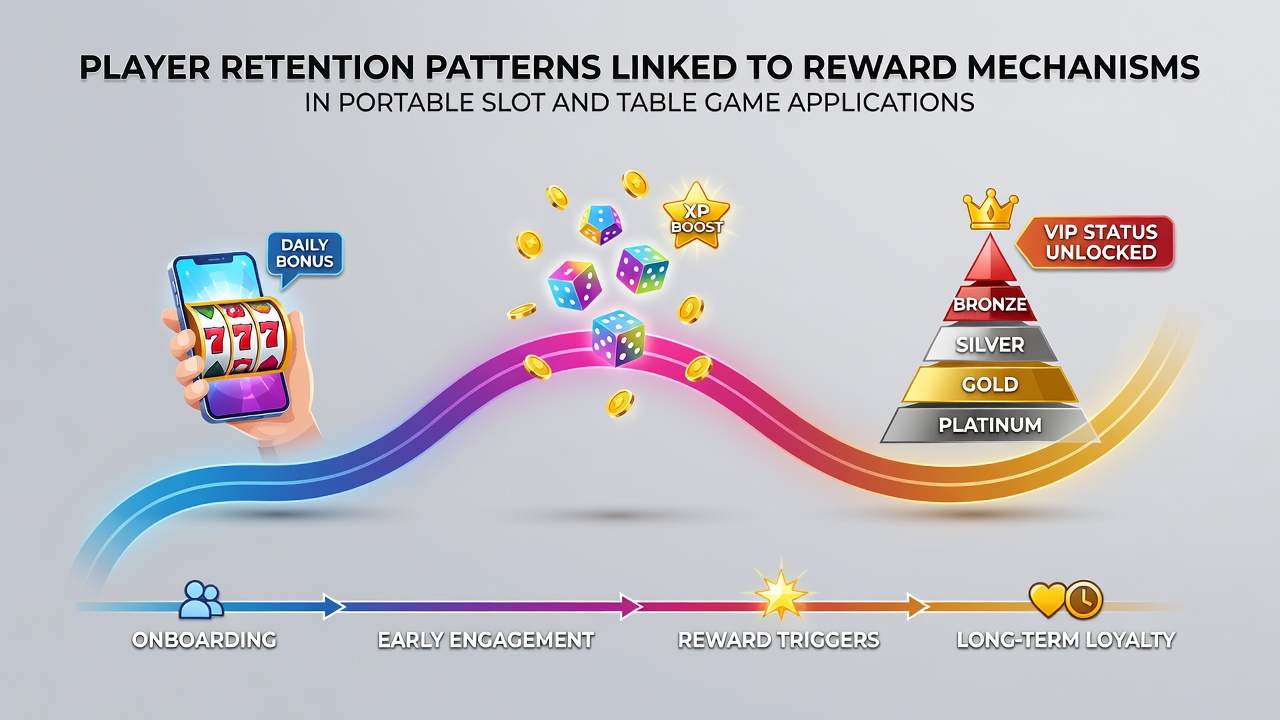
Player retention in portable slot and table game applications connects directly to structured reward mechanisms that track engagement metrics across sessions. Data from multiple industry analyses show how loyalty points, tiered bonuses, and progressive jackpots influence return rates among users who access these games through smartphones and tablets. Observers note patterns where immediate small rewards sustain short-term activity while cumulative systems encourage longer participation cycles.
Types of Reward Mechanisms in Mobile Gaming
Portable applications deploy several reward categories that integrate with core gameplay loops for slots and table games such as blackjack or roulette. Daily login bonuses deliver fixed credits or free spins that reset user progress indicators, whereas achievement-based systems award multipliers after completing specific win thresholds. Progressive reward ladders increase payout percentages based on cumulative play volume, adn these structures appear in apps distributed across North American and European markets.
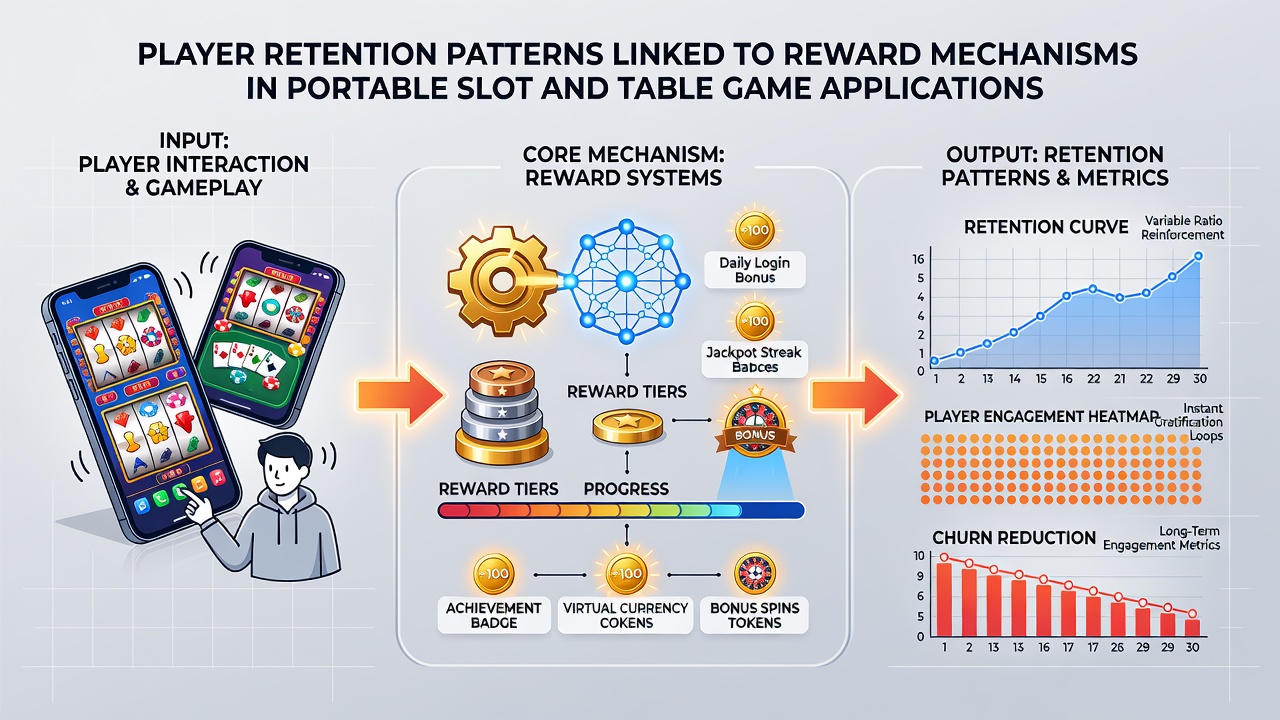
Researchers have documented how cashback features return portions of losses during defined periods, creating feedback loops that maintain session continuity. Multiplier events triggered by consecutive plays further amplify these effects, particularly in table game variants where side bets accumulate additional points toward personalized offers. Studies from academic institutions indicate that apps incorporating both immediate and delayed rewards achieve higher retention benchmarks compared to those relying on single-mechanism approaches.
Observed Retention Patterns Across User Segments
Analysis of app telemetry reveals distinct retention curves tied to reward frequency and value distribution. High-frequency small rewards correlate with steady daily logins among casual players, while infrequent larger payouts show stronger links to weekly or monthly return visits among dedicated users. Data collected through 2025 and into mid-2026 demonstrate that portable platforms experience retention spikes following the introduction of personalized reward algorithms that adjust based on individual play history.
Segmented user groups respond differently to the same mechanisms, with table game enthusiasts showing greater sensitivity to loyalty tier advancements than slot-focused players. Figures from regional gaming associations highlight how cross-game reward portability, where points earned in slots transfer to table game bonuses, extends overall platform engagement. Those who studied these dynamics found that reward visibility through in-app notifications contributes to higher re-engagement rates within the first 48 hours after a session ends.
Mobile-Specific Factors Influencing Reward Effectiveness
Screen size constraints and touch interface design shape how reward mechanisms display and interact with players in portable environments. Push notifications that highlight pending bonuses drive immediate returns, yet excessive frequency leads to measurable drops in long-term retention according to behavioral datasets. Apps optimized for quick session starts benefit from streamlined reward claims that minimize loading times between reward activation and gameplay resumption.
Integration wth device features such as biometric authentication allows faster access to accumulated rewards, reducing friction that otherwise interrupts retention sequences. Observers note that location-based reward triggers, active only within permitted jurisdictions, add another layer to engagement patterns in regions with varying regulatory frameworks. Reports compiled by the Canadian Centre for Gaming Research link these technical adaptations to sustained user bases through the first half of 2026.
Data Trends and Regional Comparisons
Comparative studies across markets reveal that reward mechanisms emphasizing social elements, such as leaderboards tied to bonus eligibility, produce elevated retention in group-oriented player cohorts. European regulatory bodies have published metrics showing reward transparency requirements correlate with stable retention figures, while North American platforms report higher variance when reward structures change without prior user communication. Academic papers in the Journal of Gambling Studies document how A/B testing of reward timing yields quantifiable differences in 30-day retention rates.
Global data compilations indicate that hybrid reward models combining fixed and variable elements outperform uniform systems, particularly when applied to both slot progressions and table game streaks. Patterns observed through July 2026 suggest continued refinement of these models as developers incorporate machine learning to predict optimal reward delivery windows based on historical session data.
Conclusion
Retention patterns in portable slot and table game applications remain closely aligned with the design and delivery of reward mechanisms that balance immediate feedback against progressive incentives. Evidence from regulatory reports, academic analyses, and platform telemetry continues to map these relationships across diverse user populations and geographic regions. Ongoing adjustments to reward structures reflect measured responses to engagement data collected through successive development cycles.