
Mobile Interface Designs Shaping Roulette Choices Among Regular Players
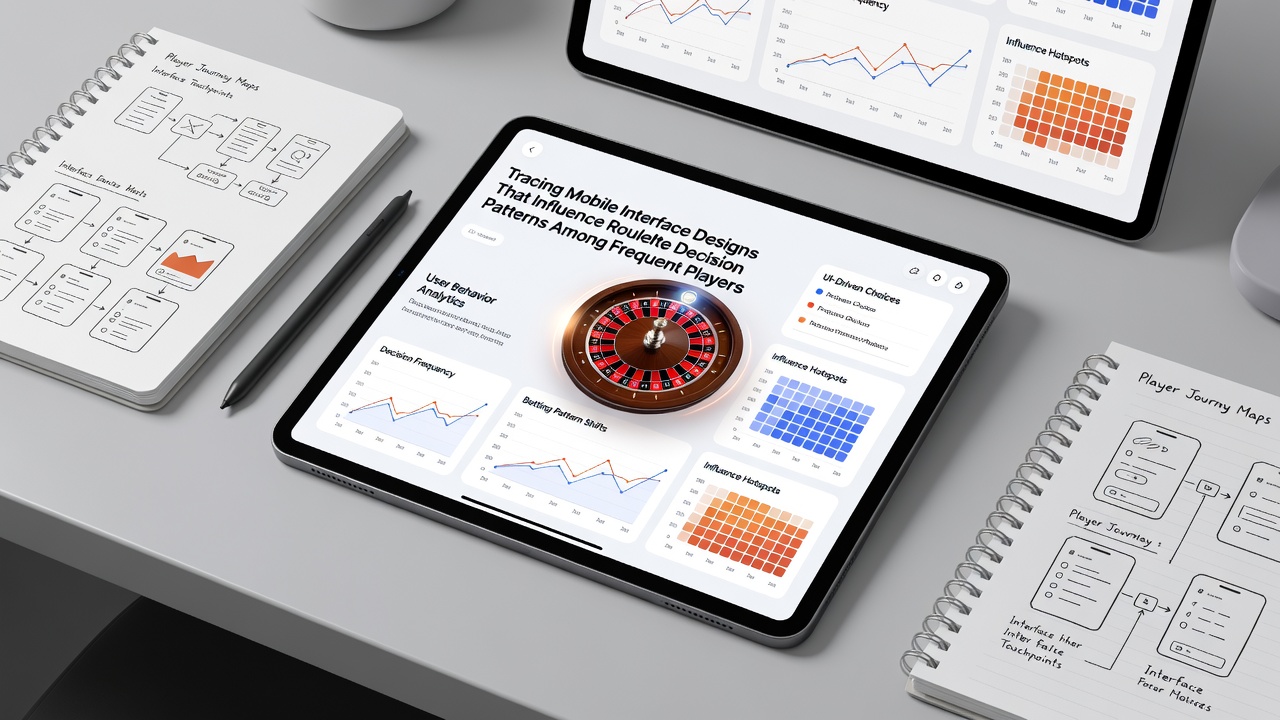
Design teams at major gaming software providers have spent years refining how roulette appears on smaller screens, and those refinements connect directly to measurable shifts in how frequent players place bets. Layout choices such as the size of the number grid, the placement of quick-bet chips, and the visibility of previous-spin history panels alter the speed and type of decisions users make during sessions.
Layout Placement and Betting Speed
Developers position the betting grid near the bottom of the screen in many popular apps because thumb reach studies show users tap lower areas more readily; this arrangement correlates with faster selections of outside bets like red or black. Data collected across several platforms indicate that when the grid sits higher, players spend additional seconds reviewing inside-number options before committing chips.
Color contrast between the wheel and the betting area also plays a documented role. High-contrast red and black sections on the wheel draw eye movement toward even-money wagers, while muted tones on the number grid reduce the frequency of straight-up bets, according to heat-map analysis shared by interface researchers.
Gesture Controls and Decision Flow
Swipe-to-spin mechanics introduced in 2024 and refined through mid-2026 allow continuous play without lifting a finger from the screen. Operators report that sessions using swipe gestures record shorter intervals between spins, which in turn increases the total number of bets placed per hour. Frequent players who adopt these gestures show higher repetition rates on the same outside bets rather than switching to column or dozen selections.
One study released in July 2026 by the University of Nevada Reno Gaming Innovation Lab tracked 2,400 regular users across three different interface versions and found that drag-and-drop chip placement led to larger average bet sizes on even-money options compared with tap-only versions.
History Panels and Pattern Recognition
Most mobile roulette titles display the last ten to twenty results in a narrow strip above or beside the wheel. When this strip updates in real time and highlights repeating colors, players increase the rate at which they select the opposite color on the next spin. Platform analytics from North American operators show that removal of the history strip reduces such color-chasing behavior by measurable margins.
Pop-up suggestion banners that appear after three consecutive losses appear in several European and Australian apps. These banners propose doubling the previous stake on an even-money bet. Usage logs reveal that players who receive these prompts raise their next wager size more often than those who do not see the banners, though the long-term outcome distribution remains unchanged.
Notification Timing and Session Length
Push notifications timed to appear during peak evening hours prompt users to reopen the app and resume play. Operators in Canada and Singapore have published aggregate figures indicating that players who respond to these prompts extend session length by an average of twelve minutes and place additional bets on the same wheel bias they favored in the prior session.
Auto-spin toggles that allow between five and fifty automated spins reduce active decision points. Data gathered by the Australian Institute of Gambling Research shows that users who activate auto-spin maintain consistent bet amounts across longer stretches, whereas manual players adjust stakes more frequently after viewing updated balance figures.
Cross-Device Consistency and Habit Formation
When interface elements remain identical between phone and tablet versions, frequent players transfer their established betting sequences without pause. Industry reports from the Nevada Gaming Control Board note that consistent chip denomination buttons across devices correlate with steadier bet sizing patterns over multi-week periods.
Researchers continue to examine how subtle changes in animation speed of the wheel affect perceived fairness and subsequent bet choices. Slower wheel decelerations appear to increase the likelihood that players select the same number group on the following spin, while quicker stops show no such link in current datasets.
Conclusion
Interface features including grid position, gesture options, result history displays, and notification timing connect to observable differences in how regular players approach each roulette round. Ongoing data collection from multiple regulatory regions and academic centers supplies the measurements that link these design choices to specific decision patterns without altering the underlying probabilities of the game itself.