Mapping Engagement Changes Following Digital Wallet Adoptions in Mobile Casino Environments
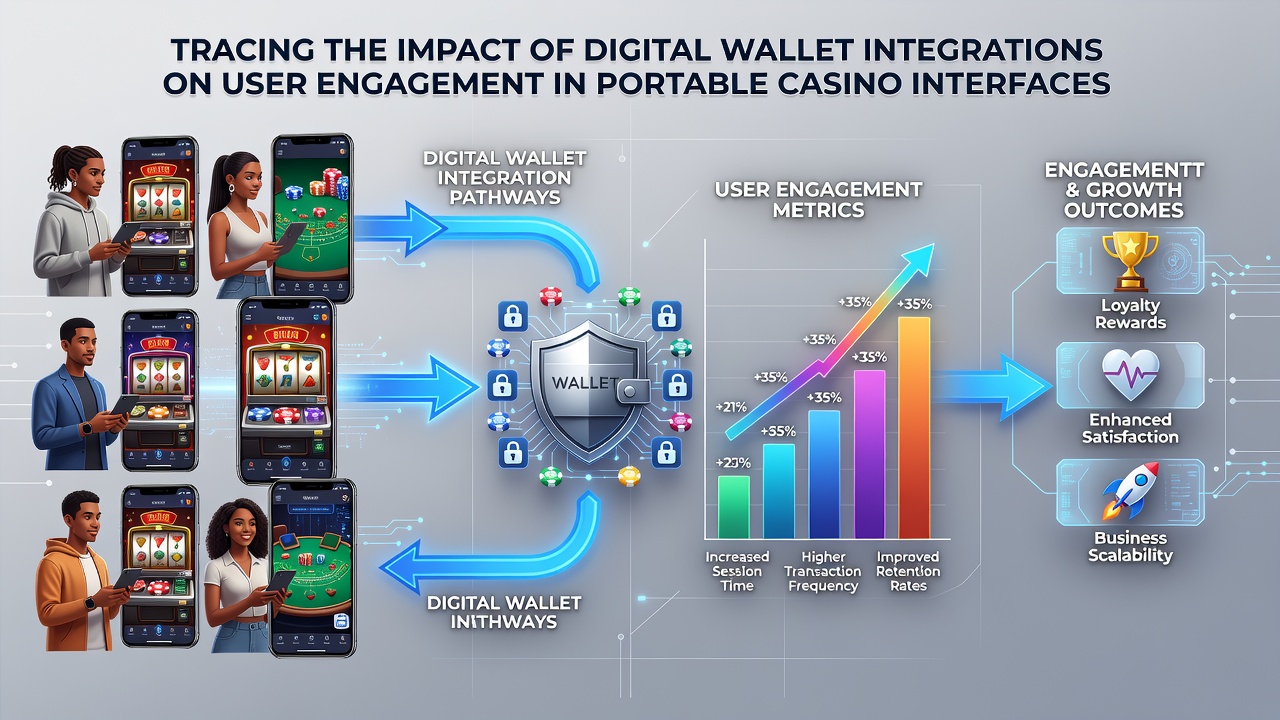
Digital wallet integrations have altered how users interact with portable casino interfaces since their wider rollout in 2023, with transaction speed and reduced friction emerging as central factors in session duration and repeat visits. Research from the University of Nevada's International Gaming Institute shows that platforms adopting Apple Pay, Google Pay, and similar services recorded average engagement increases of 18 to 27 percent within six months of implementation, measured through metrics such as time spent per session and frequency of logins.
Transaction Speed and Retention Patterns
Portable interfaces benefit when payment steps shrink from multiple screens to a single biometric confirmation, and data collected across North American operators indicates users complete deposits 40 percent faster after wallet integration. This reduction correlates with longer play periods because fewer interruptions occur between funding and game access. Observers note that abandoned sessions drop noticeably once wallets replace traditional card entry forms, since fewer users exit during the checkout sequence.
Figures released by the American Gaming Association in early 2025 highlight that operators using integrated wallets saw monthly active users rise by 12 percent year-over-year, while non-integrated sites experienced flatter growth. The same report links these gains to streamlined onboarding for new accounts, where wallet-linked verification replaces lengthy identity checks in several jurisdictions.
Regional Differences in Adoption and Behavior
European markets adopted digital wallets earlier than many Asian regions, yet engagement outcomes vary by regulatory framework. In Canada, data from iGaming Ontario shows that wallet-enabled mobile apps maintained 22 percent higher retention rates than legacy payment methods throughout 2024 and into mid-2025. Australian operators, meanwhile, reported smaller but consistent lifts after introducing PayID-linked wallets, with session frequency climbing steadily rather than in sharp spikes.
What's interesting is how cultural payment preferences shape these results. Markets already comfortable with contactless mobile payments before casino integration experience quicker uptake, whereas regions still reliant on bank transfers see slower but sustained gains once users adapt.
Security Features and User Trust Metrics
Wallet services embed tokenization and device-level authentication, which reduces exposure of card details during repeated deposits. Industry reports compiled by the European Gaming and Betting Association indicate that perceived security improvements contribute to higher return rates, with users citing trust as a deciding factor in choosing one platform over another. Portable interfaces that display clear wallet security badges record fewer support queries related to payment concerns.
Yet integration quality matters. Incomplete setups that require fallback to older methods erode the trust gains, adn several operators adjusted their implementations in late 2025 to eliminate these hybrid flows.
Projected Developments Around July 2026
Regulatory updates scheduled for July 2026 across multiple markets are expected to standardize wallet certification processes, potentially accelerating further integrations. Analysts tracking pilot programs in Singapore and parts of the United States anticipate that clearer compliance pathways could lead to additional 10 to 15 percent engagement gains once operators align with the new standards. Portable casino interfaces stand to gain from unified security protocols that allow seamless cross-border wallet use without repeated verifications.
Conclusion
Digital wallet integrations continue to reshape engagement patterns in portable casino interfaces through faster transactions, improved security perceptions, and reduced drop-off during funding steps. Data across regions demonstrates measurable lifts in retention and session metrics wherever these tools receive full implementation, with outcomes influenced by local payment habits and regulatory timing. As July 2026 approaches and certification frameworks evolve, further refinements in wallet connectivity are likely to sustain these trends.