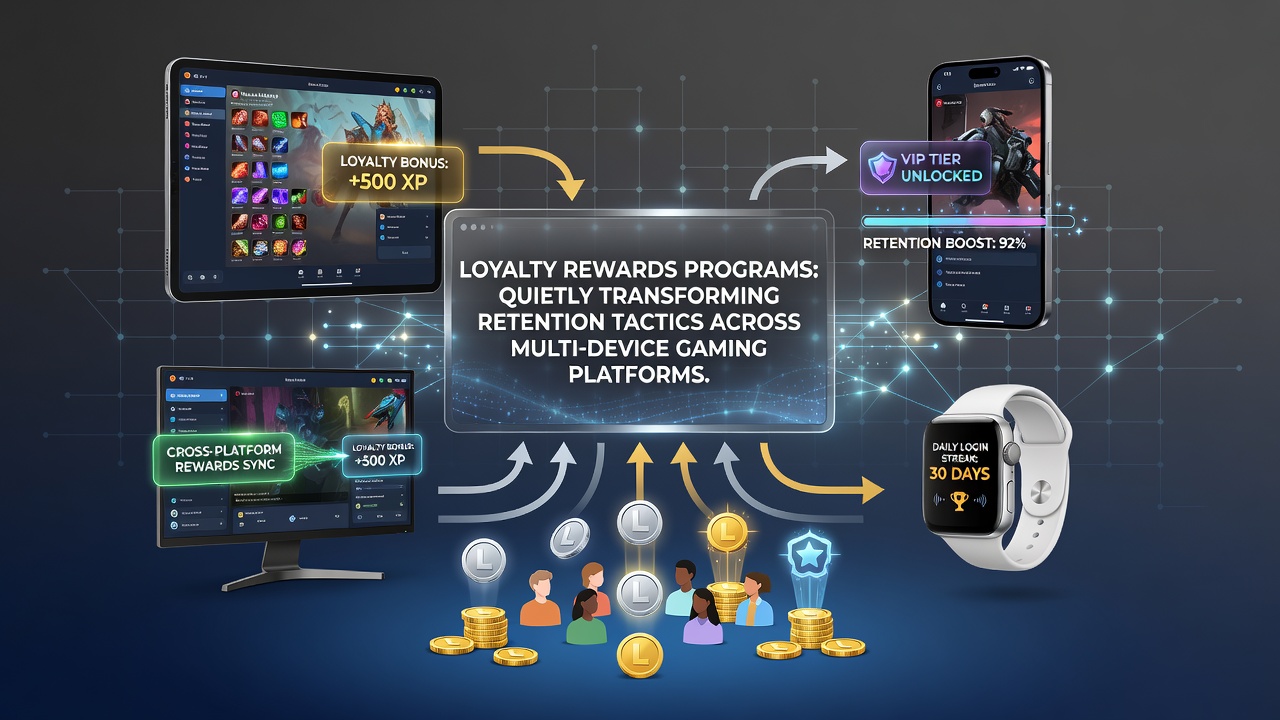
Loyalty Programs Transforming Player Retention in Multi-Device Gaming Environments
Multi-device gaming platforms have integrated loyalty rewards programs that track player activity across mobile apps, desktop clients, and console interfaces, creating unified profiles that award points for consistent engagement regardless of device choice. These systems collect data on session length, game types, and spending patterns to deliver tiered benefits such as bonus credits, exclusive items, and personalized challenges that encourage repeated logins on different hardware. According to industry reports from the American Gaming Association, operators observed a 28 percent increase in monthly active users when cross-device tracking replaced single-platform rewards in 2025.
Unified Tracking Mechanisms and Data Integration
Developers employ cloud-based databases that merge activity logs from iOS, Android, Windows, and console ecosystems into single player accounts, allowing rewards earned during a mobile session to appear instantly on a linked desktop dashboard. This synchronization relies on secure API connections and real-time updates that prevent duplicate claims while maintaining accurate point balances across environments. Researchers at the University of Nevada's gaming technology lab documented how such integration reduced account abandonment rates by linking progress across devices rather than resetting rewards upon platform switches.
Platforms introduced dynamic multipliers in early 2026 that adjusted point values based on device diversity, granting higher rewards to users who alternated between mobile and larger screens within the same week. These adjustments draw from aggregated usage statistics rather than individual targeting, ensuring compliance with data protection standards in multiple jurisdictions.
Retention Outcomes and Behavioral Patterns
Studies compiled by Newzoo in 2025 revealed that players participating in synchronized loyalty programs logged an average of 4.7 additional hours per month compared with those limited to single-device incentives. Retention metrics improved most noticeably among users aged 25 to 34, where cross-device access aligned with daily routines involving commute play on phones and evening sessions on home consoles. Operators noted that tier progression visuals updated across all interfaces helped maintain momentum even when players switched devices mid-campaign.
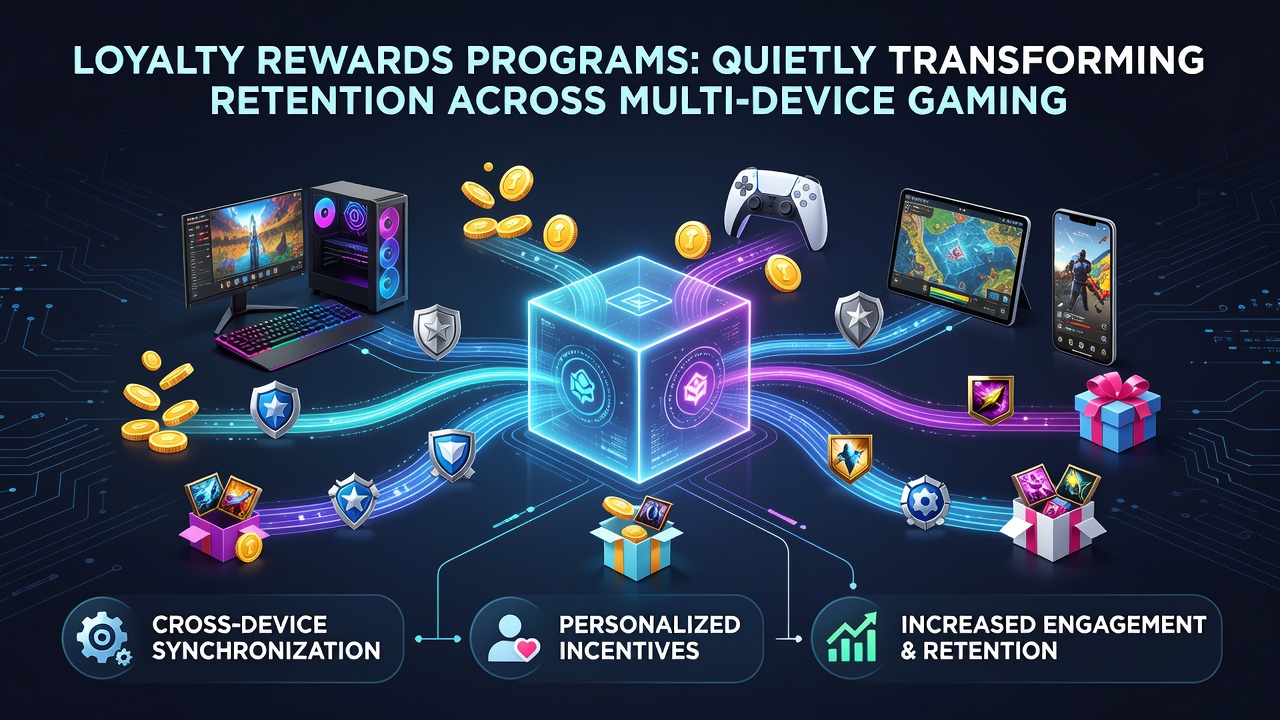
Seasonal events scheduled for August 2026 incorporated device-specific quests that contributed to shared global leaderboards, further linking mobile and stationary playstyles. Data collected during these periods showed elevated completion rates when rewards included cosmetic items usable on every supported platform.
Implementation Challenges Across Regions
Regulatory frameworks in North America and parts of Europe require clear disclosure of how cross-device data informs reward calculations, prompting operators to publish simplified explanations within app settings. Industry groups such as the Canadian Gaming Association have issued guidelines recommending transparent point valuation tables that players can review on any device. These measures address concerns about fairness while preserving the operational advantages of unified tracking systems.
Technical hurdles remain when older hardware encounters latency during point synchronization, yet developers continue refining compression techniques that maintain performance parity. Observers note that platforms investing in robust backend infrastructure report fewer support tickets related to missing rewards after device switches.
Conclusion
Loyalty rewards programs continue expanding their role in multi-device gaming by merging activity data into seamless experiences that support retention across mobile, desktop, and console environments. Figures from multiple research sources indicate measurable gains in session frequency and account longevity when synchronization features operate reliably. As August 2026 approaches, ongoing refinements to tracking accuracy and regional compliance standards shape how these programs evolve within the broader gaming sector.