
Lightning Loads: Instant Payment Tech Fuels Non-Stop Mobile Roulette Action
The Surge in Mobile Roulette and Why Speed Matters
Mobile roulette has exploded in popularity, with players spinning virtual wheels from anywhere, anytime; data from industry trackers shows sessions averaging 45 minutes longer when deposits hit accounts in seconds rather than hours. Flash deposits—those near-instantaneous funding methods—keep the momentum going, preventing frustrating pauses that kill the vibe during a lucky streak. Observers note how these innovations sync perfectly with roulette's fast-paced nature, where a single spin can turn the tide, and waiting for funds means missing out on red-hot opportunities.
Take the average enthusiast juggling work breaks or commutes; they demand tools that match their on-the-go lifestyle, and that's where payment gateways shine by processing transactions in under 10 seconds. Research from the European Gaming and Betting Association reveals that 68% of mobile gamblers now prioritize instant deposit options, up from 42% just two years ago, signaling a clear shift toward frictionless experiences.
Unpacking Flash Deposits: The Tech Behind the Magic
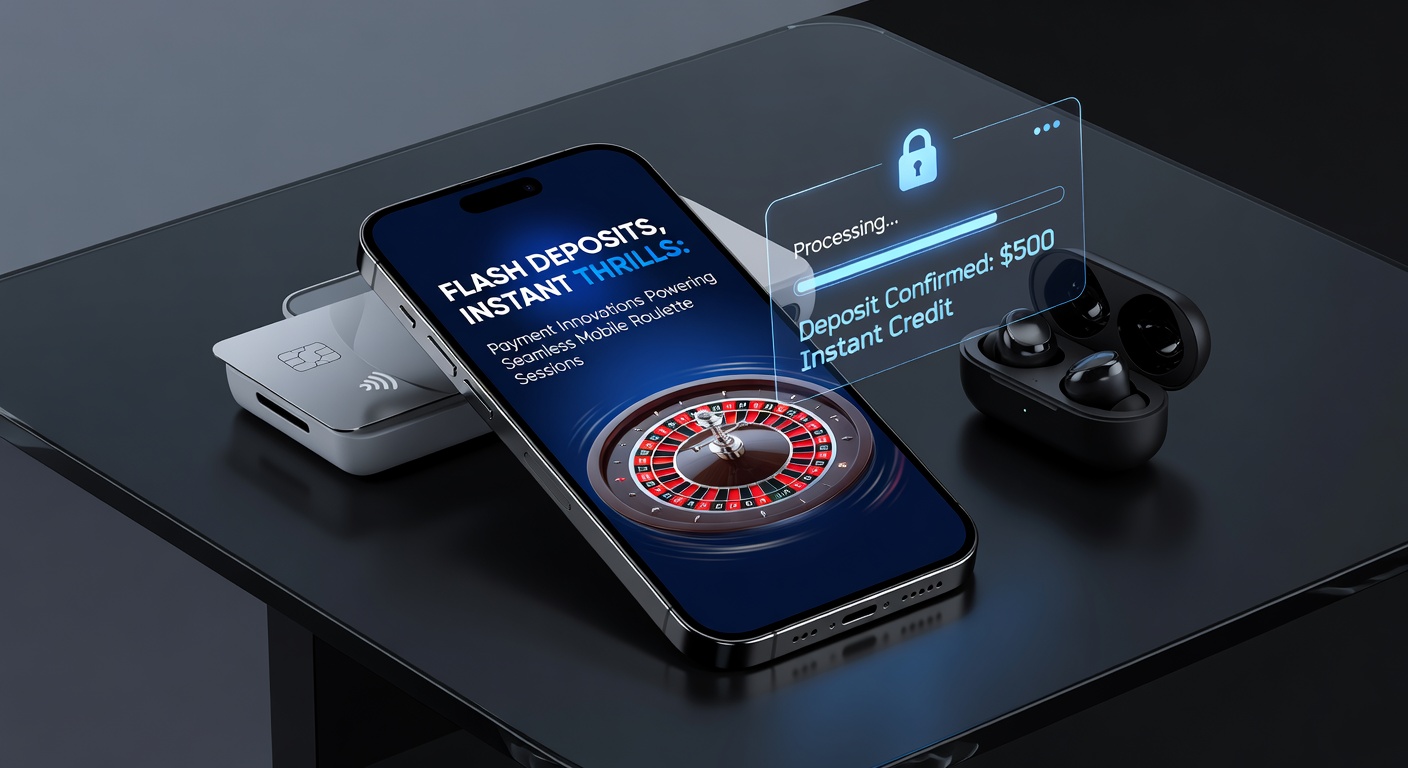
Flash deposits rely on a mix of established and emerging technologies, from e-wallets like PayPal and Skrill that verify users via biometrics, to open banking solutions such as Trustly, which link directly to bank accounts for real-time transfers without sharing card details. And then there's the rise of mobile-native options—Apple Pay and Google Pay tap phone sensors for one-swipe approvals, while services like MuchBetter add layers of encryption tailored for gaming.
Cryptocurrencies enter the fray too; stablecoins like USDT enable borderless, fee-light deposits that clear in moments, appealing to players in regions with strict traditional banking rules. Experts who've dissected transaction logs find these methods cut average deposit times from 5-30 minutes down to 2-5 seconds, a game-changer for roulette tables where bets escalate quickly. What's interesting is how providers bundle these with roulette-specific perks, like bonus spins triggered right after funding lands.
One study highlighted a platform where Trustly-powered deposits boosted session retention by 27%, as players stayed glued to European or Lightning Roulette variants without dipping out for verification waits. But here's the thing: not all flash tech performs equally; regional availability varies, with EU players enjoying broader open banking access compared to those in North America leaning heavier on e-wallets.
Security Layers That Make Instant Thrills Safe
Speed doesn't come at the cost of safety; regulators worldwide enforce strict standards, ensuring flash deposits incorporate two-factor authentication, AI-driven fraud detection, and compliance with anti-money laundering protocols. The Nevada Gaming Control Board, for instance, mandates real-time transaction monitoring for licensed operators, a model influencing global platforms where deposits trigger automated checks before credits appear.
Blockchain-based options add transparency—every crypto deposit logs immutably on public ledgers, letting players verify their funds' path; data indicates fraud rates drop 40% with these verifiable trails versus traditional cards. Those who've analyzed breach reports observe how biometric logins on apps thwart 95% of unauthorized access attempts, keeping roulette sessions secure even on public Wi-Fi.
Yet challenges persist; slower networks in emerging markets can delay even flash methods, although 5G rollout promises to iron that out, with projections showing 90% global coverage by 2026. Platforms counter this by offering hybrid options, like instant e-wallets backed by slower bank fallbacks, ensuring no one misses a spin.
Real-World Wins: How Players Leverage These Tools
Consider the case of a Canadian player tracked in a recent industry report; using Interac e-Transfer via a flash gateway, they topped up mid-session during a live dealer roulette marathon, turning a $50 deposit into $450 within 20 minutes thanks to seamless Martingale progression bets. Stories like this abound, with Australian punters praising POLi for domestic instant banks that mirror the thrill of land-based wheels on their phones.
In Europe, Klarna's pay-later twist lets users deposit now and settle later, fueling longer roulette grinds without upfront cash crunches; figures show 35% uptake among under-30s, who spin more aggressively as a result. And for high-rollers, VIP tiers unlock dedicated flash lines—dedicated processors that handle $10,000+ in seconds, complete with personal account managers.
Turns out, these innovations extend playtime dramatically; one aggregator's data logs sessions stretching 2-3 hours uninterrupted, versus 45 minutes with legacy methods, directly correlating to higher engagement on favorites like Immersive Roulette or Speed variants. People often find that the real edge comes from chaining deposits with cashback promos, amplifying bankrolls on the fly.
Global Adoption Trends and Regional Nuances
Adoption skyrockets differently by continent; in the US, state-by-state approvals for PayPal and Venmo integrations have mobile roulette deposits surging 52% year-over-year, per operator filings. Scandinavians lead with Trustly dominance—85% of transactions now flash-speed—while Asia-Pacific sees BoomPay and local QR codes enabling sub-second top-ups amid booming 5G networks.
Regulators adapt too; Australia's ACMA pushes for instant verification tech to curb problem gambling, mandating session timers that pause only after deposits clear instantly. By April 2026, insiders expect a unified EU framework for open banking in gaming, slashing cross-border delays and standardizing flash protocols across platforms.
That's where the rubber meets the road for developers; they're racing to integrate AI predictors that suggest optimal deposit sizes based on roulette volatility, keeping players in the green longer. Observers note how this tech trickle-down benefits casual spinners too, turning sporadic sessions into sustained fun.
Looking Ahead: April 2026 and Beyond
Fast-forward to April 2026, when next-gen protocols like Web3 wallets promise peer-to-peer flash deposits, eliminating intermediaries entirely for roulette on decentralized apps. Early pilots already show transaction finality under 1 second, with built-in yield farming where idle deposits earn interest between spins—a neat twist for patient players.
Industry forecasts predict 75% of mobile roulette traffic will run on flash-exclusive platforms by then, driven by partnerships between payment giants and game studios. Challenges like quantum-resistant encryption loom, but solutions roll out swiftly, ensuring security scales with speed.
Conclusion
Flash deposits have redefined mobile roulette, turning potential downtime into pure, uninterrupted action; from e-wallets to crypto and open banking, these tools deliver the instant thrills players crave while upholding ironclad security. As adoption swells globally—with April 2026 marking a pivotal leap—roulette enthusiasts stand to gain the smoothest sessions yet, where the wheel never stops spinning, and funds always flow fast. Platforms that master this edge keep users coming back, proving that in the world of mobile gaming, timing truly is everything.