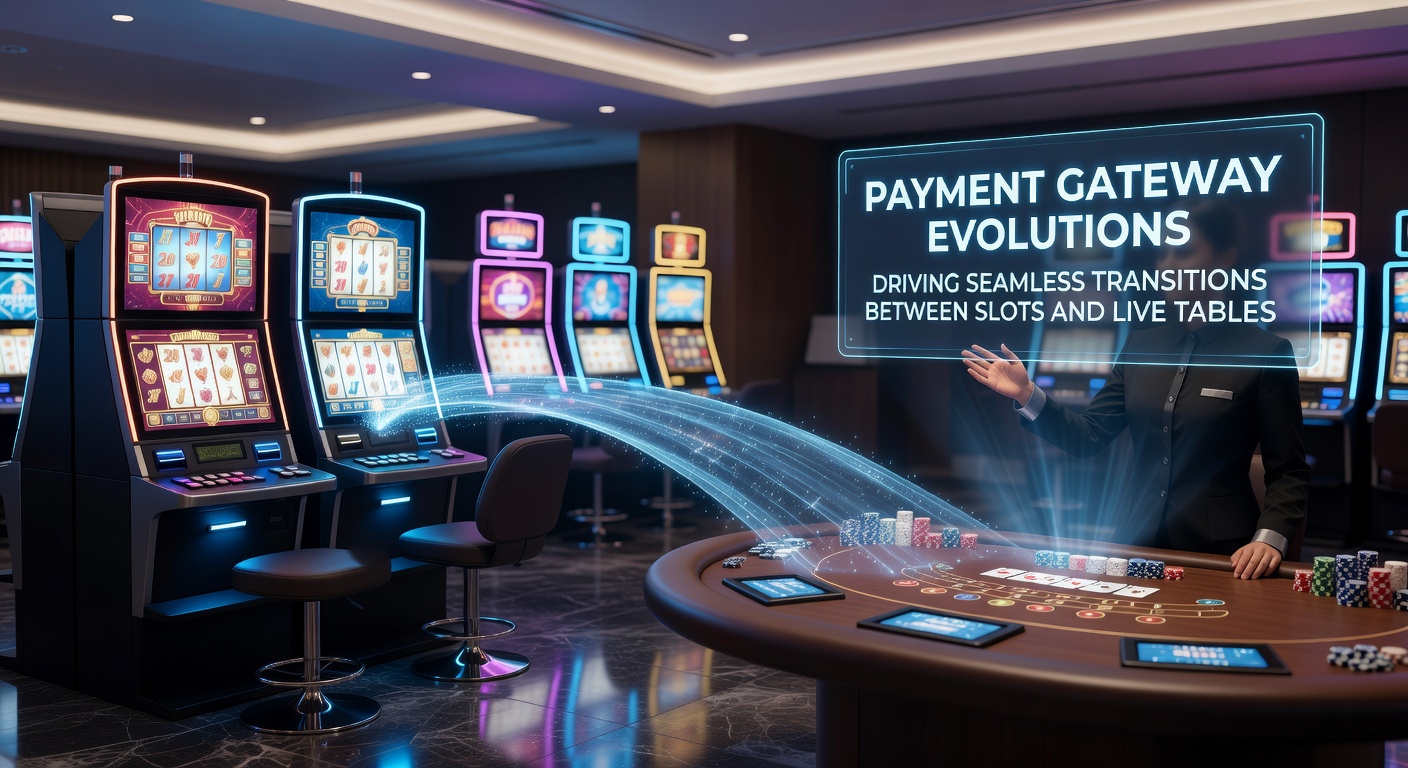
Innovations in Payment Gateways Facilitating Smooth Shifts Between Slot Machines and Live Dealer Tables
Payment gateways have transformed how players move funds into and out of online casino platforms, creating pathways that support instant shifts from spinning reels on slot machines to placing bets at live dealer tables without delays or friction; these systems now integrate with casino software in ways that synchronize account balances across game types in real time. Data from global payment processors shows transaction completion rates exceeding 98 percent for approved methods, allowing users to deposit via digital wallets or card networks and immediately access both automated slots and streamed table games.
Core Technologies Behind Unified Gaming Payments
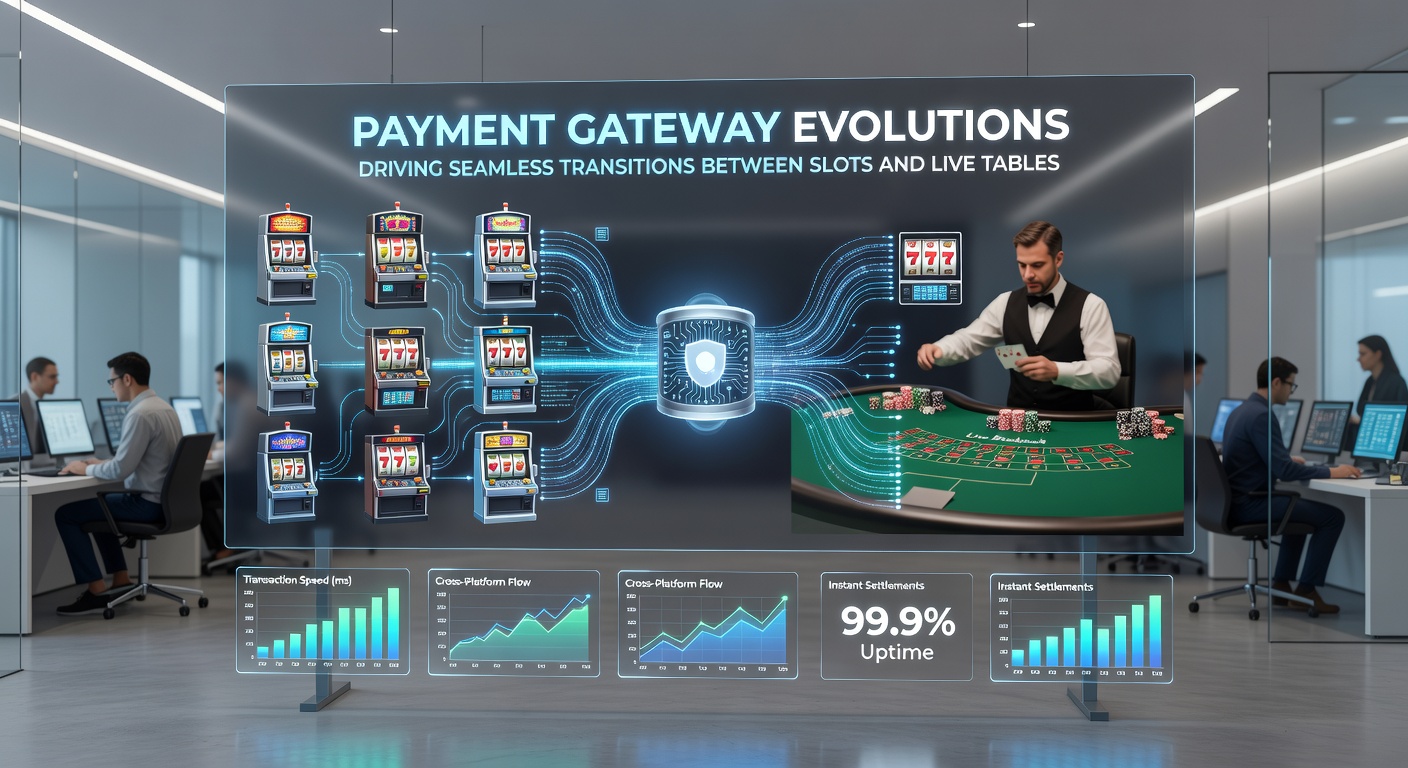
Modern gateways employ API frameworks that connect directly to casino management systems, pulling live balance updates while a player exits a slot session and enters a roulette or blackjack table; this setup relies on tokenization protocols that secure card details without exposing them during the switch. Research from the Bank for International Settlements indicates that real-time settlement capabilities, adopted widely by 2025, cut processing times from several minutes down to under three seconds for most European and North American operators, which in turn supports uninterrupted play across game categories.
Observers note that encryption standards such as TLS 1.3 combined with biometric verification layers have reduced fraud incidents by approximately 40 percent year-over-year in regulated markets. These measures operate in the background, yet they enable the fluid movement players expect when alternating between high-volume slot spins and slower-paced live table decisions.
Regional Developments Shaping Global Standards
European operators adopted open banking mandates earlier than many regions, allowing direct bank transfers that fund accounts instantly and permit withdrawals back to the same account within the same hour. In contrast, North American platforms have leaned on established card networks and emerging stablecoin options, with reports from the Federal Reserve highlighting a 25 percent rise in gaming-related digital currency transactions through the first quarter of 2026. Australian regulators, meanwhile, have tested instant payment rails that mirror those used in retail banking, resulting in documented improvements in player retention metrics across hybrid slot and live table environments.
What's interesting is how these regional approaches converge around a shared goal: minimizing downtime between game types. Platforms that implemented unified wallet solutions saw average session lengths increase because players no longer needed to pause for separate funding steps when moving from one format to another.
Security and Compliance Integration
Gateways now embed compliance checks that run during each transition, verifying player identity and transaction limits without requiring manual re-entry of details. Industry reports compiled by the International Association of Gaming Regulators reveal that automated monitoring tools flag unusual patterns across both slot and live table activity, maintaining oversight while preserving the speed users demand. Multi-factor authentication tied to device recognition further streamlines these processes, letting returning players complete deposits or withdrawals with a single confirmation tap.
Yet the reality is that legacy systems in some markets still create bottlenecks, forcing operators to maintain parallel gateways for different regions; those who consolidated onto single platforms reported fewer support tickets related to payment failures during game switches.
Player Experience Outcomes in Hybrid Environments
Case studies from major platforms demonstrate that integrated payment flows correlate with higher cross-game engagement; one operator documented a 35 percent uptick in live table participation among users who previously stayed within slots after implementing instant wallet transfers. These outcomes stem from technical upgrades rather than marketing pushes, as the underlying systems simply remove barriers that once interrupted momentum.
Experts tracking payment trends through May 2026 point to continued refinement of push-notification systems that alert players when funds clear, enabling immediate entry into live dealer sessions. The same infrastructure supports progressive jackpot slots that feed into table game bonuses without separate account actions, creating layered experiences built on reliable transaction rails.
Future Trajectories for Integrated Casino Payments
Developments in programmable money and embedded finance suggest gateways will soon handle conditional releases, such as releasing winnings only after a live table round completes or tying slot tournament entries to verified deposits. Academic papers from payment technology research groups forecast broader adoption of these features by late 2026, particularly in jurisdictions prioritizing consumer protection alongside convenience.
Platforms experimenting with these capabilities already report smoother traffic between automated and human-hosted games, since balance synchronization occurs at the protocol level rather than through manual reconciliation. This technical alignment continues to define how players navigate between slots and live tables without the interruptions that defined earlier eras of online gaming.
Conclusion
The evolution of payment gateways has established reliable connections that let players transition seamlessly between slot machines and live dealer tables, supported by faster settlements, stronger security layers, and region-specific compliance tools. Data from international banking and regulatory bodies continues to track these improvements, showing measurable gains in transaction speed and cross-game participation. As these systems mature, the infrastructure supporting fluid movement across game types will likely expand further, maintaining focus on verifiable performance metrics rather than promotional claims.