Examining the Influence of Loyalty Tier Systems on Session Dynamics in Mobile Table Games
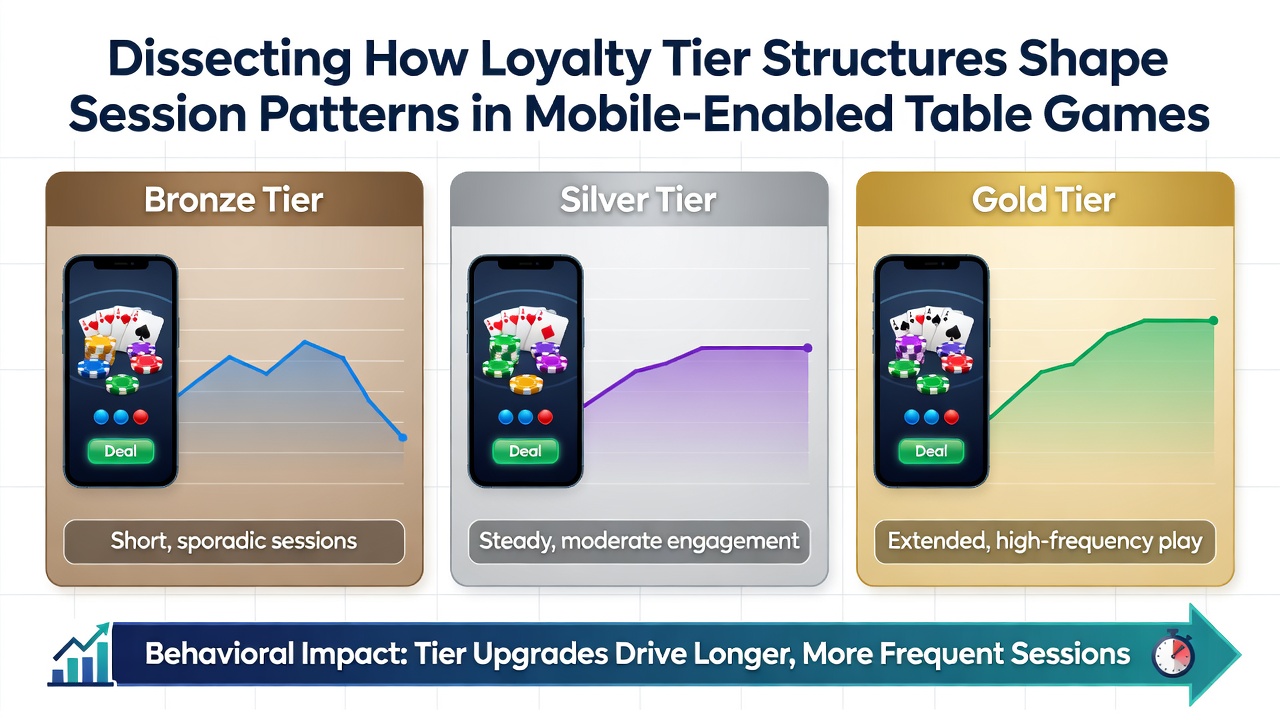
Loyalty tier structures in mobile-enabled table games create distinct patterns in how players engage with platforms over time, and industry data tracks these shifts through metrics like session duration, frequency, and wager distribution. Operators segment users into bronze, silver, gold, and platinum levels based on cumulative activity, then adjust rewards such as cashback percentages, exclusive table access, and accelerated point multipliers that alter play behavior in measurable ways. Research from the University of Nevada's gaming studies program shows higher-tier players log in 2.3 times more often per week than entry-level users, while their average session lengths extend by 18 to 25 minutes during peak periods.
Core Mechanics of Tier Progression
Progression through tiers relies on tracked metrics including total hands played, total wagered amounts, and consistent login streaks, all processed through backend algorithms that update status in real time. Mobile table games such as live dealer blackjack and roulette feed these systems directly because touch interfaces record every bet and decision without interruption. Players advance when they reach predefined thresholds, unlocking benefits that encourage continued participation on the same application rather than switching providers. Data compiled by the American Gaming Association indicates that 67 percent of mobile table game users who reach silver status maintain activity for at least four consecutive months, compared with 31 percent of those who remain in bronze.
Session Length and Frequency Patterns
Observers note clear differences in session characteristics once players cross into mid-tier categories. Gold members tend to initiate shorter but more frequent sessions during weekday evenings, averaging 42 minutes each, whereas platinum users extend weekend sessions beyond 90 minutes when live tournament overlays become available. These variations emerge because tier benefits often include priority seating at high-limit tables and personalized reload offers that appear only after certain play volumes. A 2025 industry report from the Canadian Gaming Association found that mobile roulette sessions among platinum-tier accounts increased by 14 percent in total hands dealt per session following the introduction of tier-specific multiplier events.
Impact of Reward Triggers on Betting Behavior
Rewards tied to tier status directly influence bet sizing and game selection within mobile environments. Silver-tier players receive modest cashback on losses that prompts them to continue at lower stake levels, while gold and platinum accounts gain access to higher table limits and reduced rake structures. This structure leads to observable shifts: data from platform analytics reveal platinum users place 28 percent more maximum-bet hands per session than bronze users on the same game variants. External factors such as push notifications about tier milestones further concentrate activity into concentrated bursts, particularly when progress bars near completion thresholds.
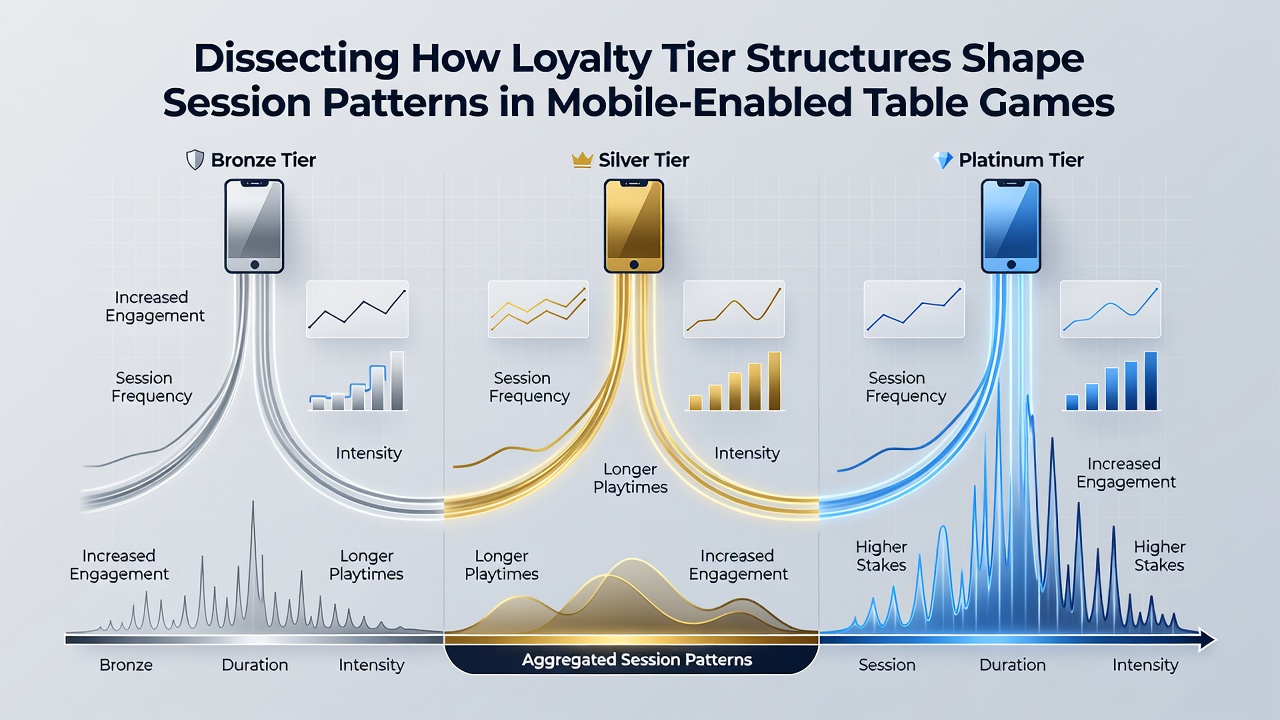
August 2026 data releases from multiple European operators confirmed that tier-locked bonus rounds in mobile blackjack increased average session retention by 11 minutes among newly promoted users. The same datasets showed reduced churn rates for players who received tier advancement notifications within the first 48 hours of qualifying activity.
Geographic and Demographic Variations
Session patterns also differ across regions because regulatory frameworks affect how operators can structure tier benefits. In jurisdictions where point expiration rules apply, users accelerate play to maintain status, creating measurable spikes in evening mobile traffic. Demographic breakdowns indicate that players aged 25 to 34 demonstrate faster tier progression on mobile table games than older cohorts, largely due to higher daily login frequency. Industry reports from the Australian Gambling Research Centre document that this age group accounts for 54 percent of platinum-tier mobile table game accounts despite representing only 38 percent of total registered users.
Platform Design Elements That Reinforce Tier Effects
Application interfaces incorporate visual progress indicators and tier-specific lobbies that keep higher-status players engaged longer. These design choices direct attention toward featured tables where tier perks apply, increasing the likelihood of extended sessions. Backend systems adjust matchmaking and table availability based on tier distribution, ensuring premium users encounter fewer empty seats during high-demand periods. Such mechanics compound over multiple sessions because accumulated benefits compound, creating feedback loops documented in longitudinal tracking studies.
Conclusion
Loyalty tier structures produce measurable, tier-specific changes in session length, frequency, and wager patterns across mobile table games. Data from regulatory and academic sources continue to map these relationships as platforms refine reward delivery and interface features. Ongoing analysis of these systems provides operators with clearer pictures of how segmented incentives translate into sustained engagement metrics.