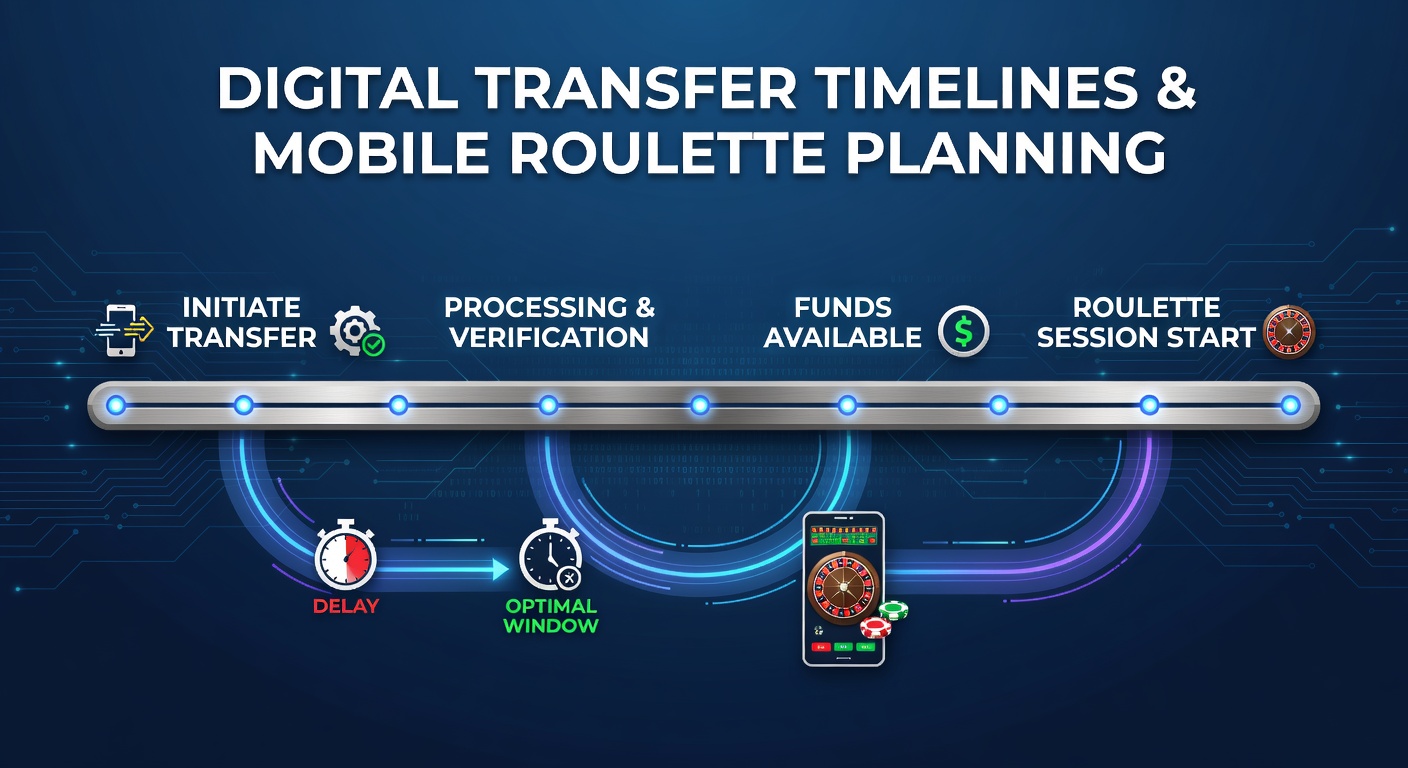
Digital Fund Transfers Shape Mobile Roulette Session Strategies
Digital transfer timelines determine how players organize their mobile roulette sessions, since deposit and withdrawal speeds dictate when funds become available for betting. Payment methods vary widely in processing duration, and observers note that these differences force adjustments in session length, frequency, and overall planning across platforms.
Common Transfer Methods and Their Timelines
E-wallets complete deposits within seconds to minutes, while bank transfers often require one to three business days before funds appear in a casino account. Credit card transactions typically fall between these extremes, taking several hours to a full day depending on the issuing bank and network verification steps. Data from payment processors indicate that instant options account for roughly 65 percent of mobile deposits in regulated markets, yet slower methods persist among users who prioritize security features or existing banking relationships.
Withdrawal timelines follow similar patterns, although many platforms enforce additional verification windows that extend the process. Players who rely on bank transfers for withdrawals may wait up to five days before seeing cleared funds, whereas e-wallet users often receive payouts within 24 hours once approval clears. Industry reports show these variations create distinct planning cycles, with some participants scheduling shorter sessions around faster methods and others extending play across multiple days to accommodate slower transfers.
Session Planning Adjustments Driven by Processing Speeds
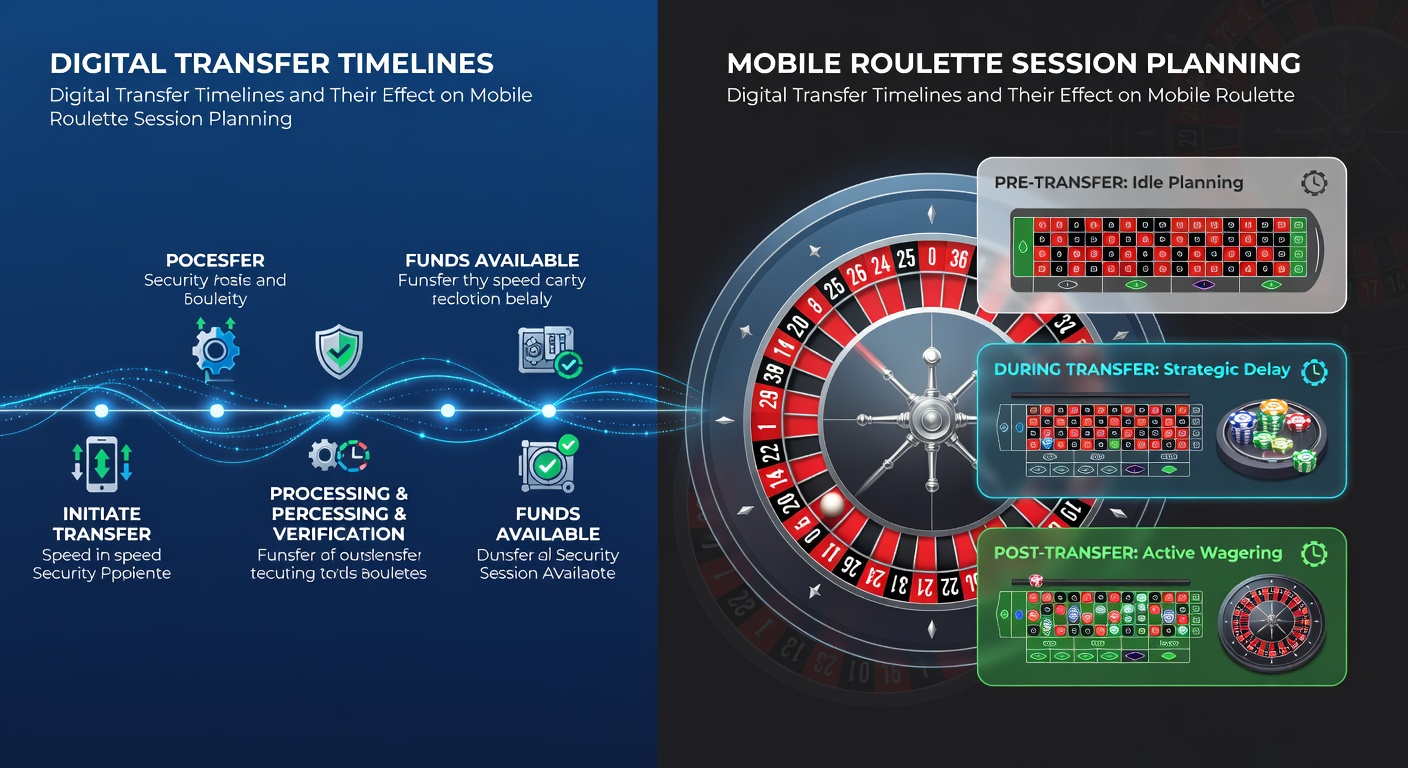
Mobile roulette participants frequently align their deposit timing with bonus activation windows and game availability periods. When a transfer takes several hours, users often initiate funding earlier in the day to avoid interruptions during peak evening hours when tables fill quickly. Research from gaming analytics firms reveals that sessions planned around instant deposits average 45 minutes longer than those dependent on delayed transfers, since players avoid the risk of running out of funds mid-session.
Those who prefer bank transfers sometimes divide their activity into multiple shorter sessions spaced across days, matching the arrival of incremental deposits. This approach reduces the chance of funds arriving after a planned session ends, and it allows participants to monitor balance updates without committing extended blocks of time. Analysts tracking user behavior note that such segmented planning appears more common in regions where banking infrastructure processes transfers on fixed daily cycles rather than continuous settlement.
Regulatory and Technical Factors Affecting Timelines
Rules introduced in various jurisdictions influence how quickly operators must release funds after verification. Standards set by bodies such as the Pennsylvania Gaming Control Board require clear disclosure of expected processing times, which helps players coordinate sessions more precisely. Similar transparency requirements exist in other markets, where operators must publish average timelines for each payment channel to maintain licensing compliance.
Technical upgrades scheduled for rollout in May 2026 aim to shorten verification windows through automated identity checks and real-time banking integrations. These changes could reduce average deposit delays by up to 40 percent according to preliminary tests conducted by several platform providers. Observers expect the updates to shift planning patterns, allowing more spontaneous sessions once faster confirmations become standard across mobile networks.
Impact on Player Behavior and Platform Features
Platforms respond to these timeline realities by offering tools that display expected fund arrival times alongside balance indicators. Such features let users decide whether to start a session immediately or wait for an incoming transfer. Studies of mobile gaming patterns show that participants who regularly consult these indicators tend to complete sessions without mid-play interruptions more often than those who do not track timelines closely.
Case examples from operators in Canada and Australia demonstrate how real-time notifications about transfer status help users adjust roulette stake levels or table selections in advance. When a deposit processes faster than anticipated, players sometimes increase bet sizes within the same session, while delays prompt conservative play or session shortening. These adaptive strategies emerge directly from the interaction between payment infrastructure and game mechanics rather than from any single regulatory mandate.
Conclusion
Transfer timelines remain a central factor in how mobile roulette sessions unfold, influencing everything from deposit scheduling to session duration and stake management. As processing technologies evolve, particularly with enhancements planned for 2026, the relationship between payment speeds and gameplay planning continues to develop across different markets and user groups. Data consistently shows that awareness of these timelines leads to more structured approaches to mobile roulette participation.