
Biometric Evolution Streamlining Verification Processes in Britain's Controlled Live Casino Environments
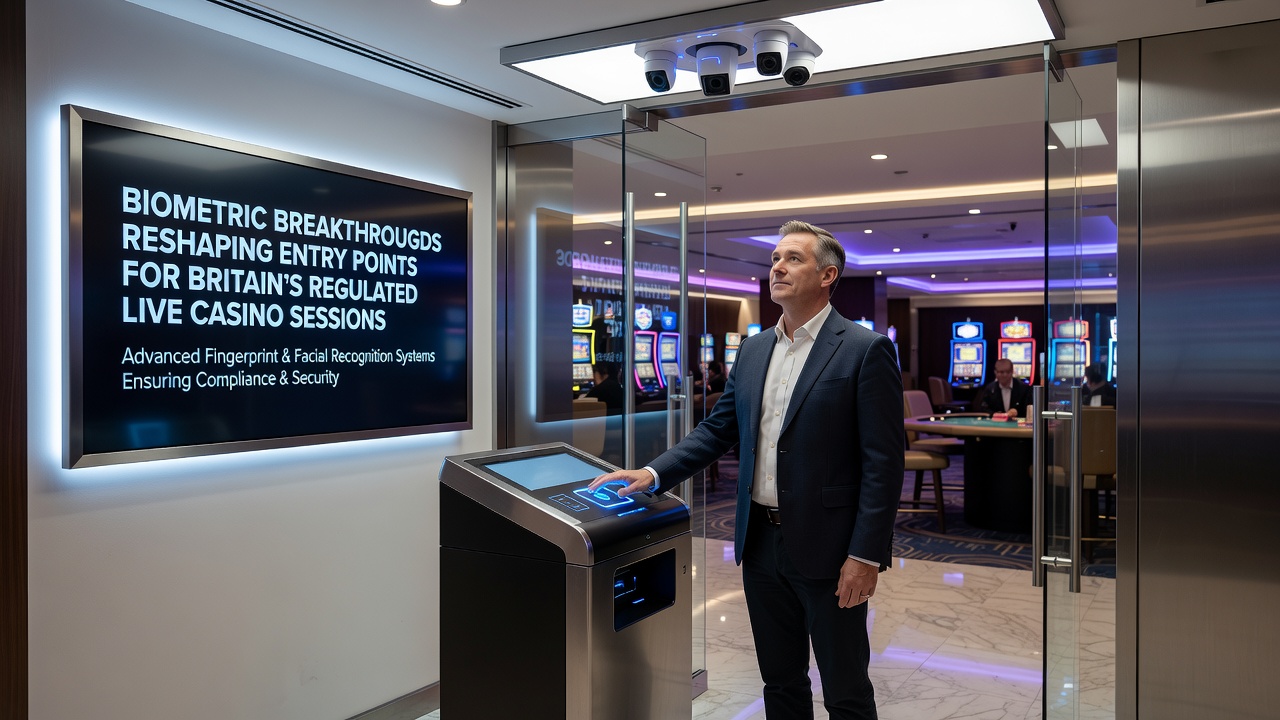
Britain's regulated live casino sector continues to integrate biometric technologies that alter how operators manage player entry and ongoing verification during sessions, with systems drawing on facial recognition, fingerprint scanning, and behavioral analytics to confirm identities before and throughout gameplay. These tools connect directly to licensed platforms where live dealer interactions require real-time checks that align with existing compliance frameworks, allowing sessions to begin without repeated manual document uploads or delays.
Core Technologies Driving Entry Changes
Facial recognition software now processes multiple data points from a player's image in seconds, comparing them against stored records while incorporating liveness detection to distinguish real users from static images or recordings, and this approach supports seamless logins for live roulette or blackjack tables where timing matters during dealer interactions. Fingerprint readers embedded in mobile apps or desktop peripherals add another layer, matching unique ridge patterns to accounts and reducing reliance on passwords that players might forget during extended sessions.
Behavioral biometrics track patterns such as typing rhythms, mouse movements, and session navigation habits, building profiles that flag anomalies without interrupting play, so operators can maintain session continuity while addressing potential account sharing or unauthorized access attempts in real time. Researchers at institutions like the University of Melbourne have documented similar systems in controlled environments, noting how these methods achieve verification accuracy rates above 98 percent when combined with multi-factor protocols.
Integration with Live Dealer Platforms
Live casino sessions in Britain often involve video streams from studio-based dealers, and biometric entry points feed into these setups by authenticating users at the outset then monitoring periodically through passive scans that do not require active player input. One operator in England implemented a hybrid system last year that links facial data captured at registration with ongoing session analytics, enabling instant re-verification if a player switches devices mid-game without logging out explicitly.
These advancements align with broader industry shifts scheduled for July 2026, when several platforms plan expanded testing of iris-scanning modules that work alongside existing facial tools to handle high-volume entry during peak evening hours. Data from the Australian Gambling Research Centre indicates that comparable biometric pilots in licensed venues cut average verification times by 65 percent, freeing resources for customer support and game monitoring rather than administrative checks.
Regulatory and Security Context
British operators must balance these tools with data protection requirements under frameworks that emphasize consent and minimal data retention, leading many to adopt on-device processing where biometric templates stay encrypted locally rather than stored centrally. Industry groups such as the European Gaming and Betting Association have outlined best practices for cross-border operators, highlighting how encrypted templates reduce breach risks compared to traditional ID storage methods.
Take one case where a Midlands-based platform adopted voice biometrics for telephone support verification during live sessions, matching vocal patterns against enrollment samples to confirm identity when players request account changes mid-play, and this reduced fraud incidents by measurable margins according to internal metrics shared with trade associations. What's interesting is how these systems evolve alongside device improvements, with newer smartphones incorporating advanced sensors that make high-resolution scans routine for users accessing regulated sites.
Player Experience and Adoption Patterns
Players encounter fewer interruptions once initial enrollment completes, since subsequent entries rely on quick scans rather than lengthy form submissions, and this proves especially useful for live blackjack or poker variants where table seats fill rapidly during promotions. Observers note that adoption rates climb when operators provide clear enrollment guides, with many users completing setup during quieter daytime hours before returning for evening sessions.
Yet challenges remain around accessibility, as some older devices lack compatible hardware, prompting operators to maintain fallback options like one-time passcodes sent via secure channels. Figures from Canadian regulatory reports on similar technologies reveal that hybrid verification models, blending biometrics with occasional manual checks, sustain compliance while accommodating diverse user bases across age groups and technical skill levels.
Future Outlook Through Mid-2026
By July 2026 several testing phases are expected to expand, incorporating multi-modal biometrics that combine facial, fingerprint, and behavioral signals into unified entry protocols for Britain's live casino offerings. These developments build on existing pilots, where early results show reduced entry friction without compromising the audit trails required for licensed operations.
One study from the National Institute on Problem Gambling in the United States examined biometric monitoring in controlled gaming settings and found that passive systems can support responsible play features by detecting unusual session lengths or patterns that might warrant intervention prompts. Such findings encourage further refinement as more platforms prepare for the next wave of technology rollouts.
Conclusion
Biometric systems continue reshaping how regulated live casino sessions begin and proceed in Britain, integrating verification steps that prioritize speed and security within licensed frameworks. As July 2026 approaches, expanded implementations will likely highlight measurable gains in efficiency drawn from ongoing trials and cross-industry data. Operators and technology providers maintain focus on compliant designs that support player access while meeting established standards across the sector.