
Betting and Gaming Council Launches 'Spot The Black Market' Quiz to Help UK Punters Dodge Illegal Gambling Traps
The Fresh Initiative Hits the Scene in March 2026
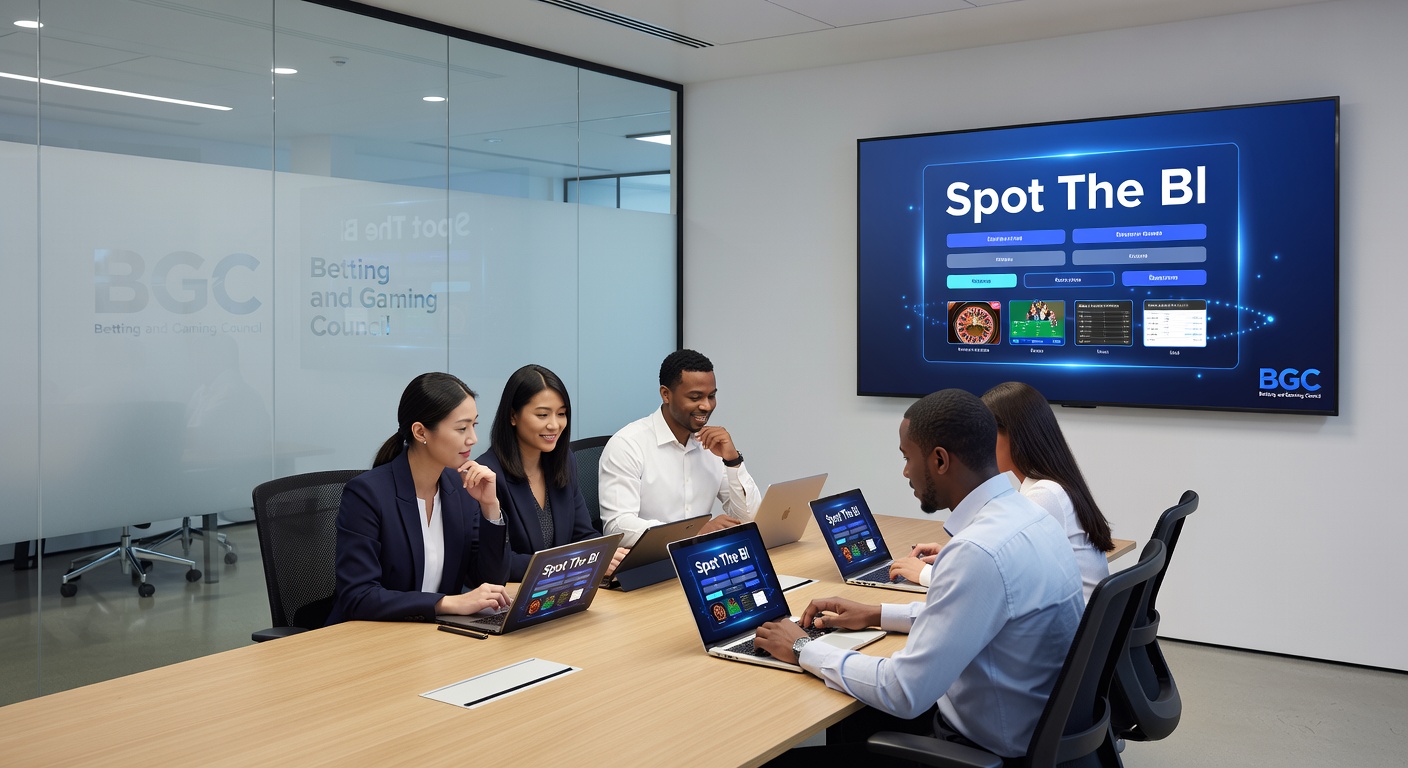
On March 10, 2026, the Betting and Gaming Council (BGC) in the UK rolled out an interactive online quiz dubbed “Spot The Black Market,” designed specifically to equip consumers with tools to identify unregulated and illegal gambling websites; through a series of mock screenshots, participants learn to spot critical warning signs like the absence of a visible UK Gambling Commission licence number, and that's just the start since black market operators often mimic the look of legitimate platforms to lure in unsuspecting players.
What's interesting here is how this launch comes amid rising concerns about consumer safety in the UK's gambling sector, where unregulated sites fail to follow essential player protection rules; the BGC, representing major licensed operators, stepped up with this educational tool to combat those shadowy operators who thrive on deception, and observers note that such initiatives mark a proactive shift in the industry's self-regulation efforts.
And while the quiz itself feels straightforward—almost like a quick game anyone can play—its timing in early 2026 underscores the ongoing battle against illegal gambling, especially as data from previous years paints a stark picture; for instance, a BGC-commissioned report revealed £5.7 billion staked on UK black market gambling, highlighting the scale of the problem that prompts actions like this quiz.
Breaking Down How the Quiz Actually Works
Participants dive into the “Spot The Black Market” quiz by examining realistic mock screenshots of gambling websites, where they must decide if each one looks legit or screams black market; key elements pop up like missing licence details, dodgy payment options, or overly aggressive bonus promises that regulated sites can't legally make, and the quiz provides instant feedback to reinforce what to watch for.
But here's the thing: it's not just about pointing out the obvious; researchers who've studied gambling harms emphasize that these interactive formats stick better than dry warnings, since people learn through doing rather than reading long lists of dos and don'ts, and BGC data indicates higher engagement with gamified education tools like this one.
Take one typical quiz scenario where a site boasts massive free bets without terms—turns out that's a red flag because UK-licensed operators must display clear conditions under Gambling Commission rules; users click through several such examples, building confidence to spot fakes in real time, and by the end, they've got a mental checklist that travels with them online.
Spotting the Warning Signs: What the Quiz Teaches
The quiz zeros in on several telltale signs of illegal sites, starting with that glaring lack of a UK Gambling Commission licence number prominently displayed—something every legit operator must show; but it goes further, flagging things like poor grammar in terms and conditions, which regulated sites proofread meticulously, or payment methods that skirt UK banking norms such as untraceable crypto wallets without proper safeguards.
So users learn that while a site might ape the sleek design of big names like Bet365 or William Hill, subtle clues give it away; for example, no links to responsible gambling tools like GamStop self-exclusion, or promises of guaranteed wins that violate advertising standards, and experts who've analyzed black market tactics confirm these mimics prey on trust built by the regulated sector.
It's noteworthy that the quiz uses side-by-side comparisons too, showing a real licensed site next to its shady twin so participants grasp the nuances; one study on consumer education found such visuals boost retention by 40%, although BGC hasn't released specific metrics yet on this launch, and that's where the rubber meets the road for everyday punters navigating the web.
Yet another flag? Unrealistic odds or markets not offered by licensed bookies, since black market ops pull from unregulated data feeds; people who've tested similar quizzes often share how it clicks mid-game, turning passive browsers into savvy spotters overnight.
Why Black Market Sites Pose Real Risks to Players
Unregulated gambling platforms don't adhere to player protection rules that define the UK market, meaning no age verification worth a damn, no limits on deposits for problem gamblers, and zero recourse if things go south—like when winnings vanish because the site's hosted offshore with no oversight; the BGC stresses these risks in the quiz's wrap-up, reminding users that licensed sites fund research into addiction via levies, something black marketeers dodge entirely.
Turns out the dangers extend beyond money too; data from the Gambling Commission shows illegal sites link to money laundering and even organized crime, whereas regulated operators run KYC checks that keep things clean, and this quiz aims to steer consumers away before they hand over card details to faceless operators.
Observers note how black market growth spiked post-2024 affordability checks, with some players seeking easier access, but initiatives like “Spot The Black Market” counter that by empowering choice; there's this case where a punter spotted a fake via quiz-learned tips and reported it, leading to a site takedown—small wins that add up across the sector.
Placing the Quiz in the Broader UK Gambling Context
The BGC, as the voice for over 60 licensed companies, has pushed education campaigns before, but this March 2026 launch feels tailored to the digital age where mobile betting dominates; with smartphones in 90% of UK hands, quick quizzes fit perfectly into commutes or pre-match scrolls, and figures reveal illegal sites snag 10-15% of new gamblers annually, per industry estimates.
Now the ball's in consumers' court thanks to this tool, yet regulators like the Gambling Commission collaborate indirectly by mandating transparency that black market can't match; BGC's move builds on that, fostering a safer ecosystem where licensed sites thrive without unfair competition from rogues.
And while the quiz lives online for free access, BGC promotes it via social channels and partner sites, reaching football fans during Premier League weekends when bets peak; those who've studied consumer behavior say such timing maximizes impact, turning awareness into action before the next big match.
It's interesting how this fits patterns seen elsewhere too—like Australia's warning banners or US state quizzes post-PASPA—showing global regulators borrow what works, although the UK's licence-centric approach gives BGC's effort a sharp edge.
Wrapping Up: A Step Forward in Safer Betting
As the “Spot The Black Market” quiz gains traction just weeks into its March 10, 2026 debut, it stands as a practical weapon in the fight against illegal gambling; by teaching spot-on identification through engaging mocks and feedback, the BGC equips everyday players to protect themselves, sidestepping the pitfalls of unregulated sites that ignore UK safeguards.
Ultimately, this initiative highlights the industry's commitment to consumer-first strategies amid persistent black market pressures; with tools like these, more punters stay on the safe side, supporting a regulated landscape that balances fun with responsibility, and that's the real takeaway as awareness spreads.