
Behind the Screens: How Transaction Technologies Support UK Enthusiasts Switching Between Mobile Slots and Live Dealer Games
Transaction systems in UK mobile casino applications handle rapid shifts between slot machines and live dealer tables through integrated payment gateways that process deposits, bets, and withdrawals in real time. These platforms rely on API connections between game servers and financial processors, which allow account balances to update instantly when players move from one format to another on handheld devices. Data from industry reports indicate that such flows depend on secure tokenization methods, where payment details remain encrypted during each session change.
Payment providers integrate directly with casino software to support multiple methods including digital wallets and bank transfers. When a user finishes a slot round and enters a live blackjack table, the system verifies available funds without requiring separate logins or additional authorizations. Observers note that this setup reduces latency to under two seconds in many cases, based on performance metrics shared by platform operators.
Core Components of Mobile Transaction Flows
Secure socket layers and real-time ledgers form the foundation for these transitions, while third-party processors handle currency conversions and compliance checks in the background. Researchers at the University of Nevada's International Gaming Institute have documented how these ledgers track every wager across game types, ensuring continuity even as graphics and dealer streams load on the device screen. One study revealed that operators using unified wallets see higher session retention rates during format switches compared to those relying on separate balance systems.
Additional layers include fraud detection algorithms that scan for unusual patterns during the switch, such as rapid bet increases after moving to live tables. These checks occur without interrupting gameplay because they run on parallel servers. Figures from the National Council on Problem Gambling show that streamlined payment verification correlates with lower dispute volumes in mobile environments across multiple jurisdictions.
Integration with Live Dealer Platforms
Live dealer games demand higher bandwidth for video feeds, yet transaction layers operate independently to maintain bet placements without delay. When players tap to join a roulette table after spinning slots, the backend confirms stakes through pre-authorized tokens rather than fresh card entries. This separation keeps the experience fluid, according to technical specifications published by several software providers serving the UK market.
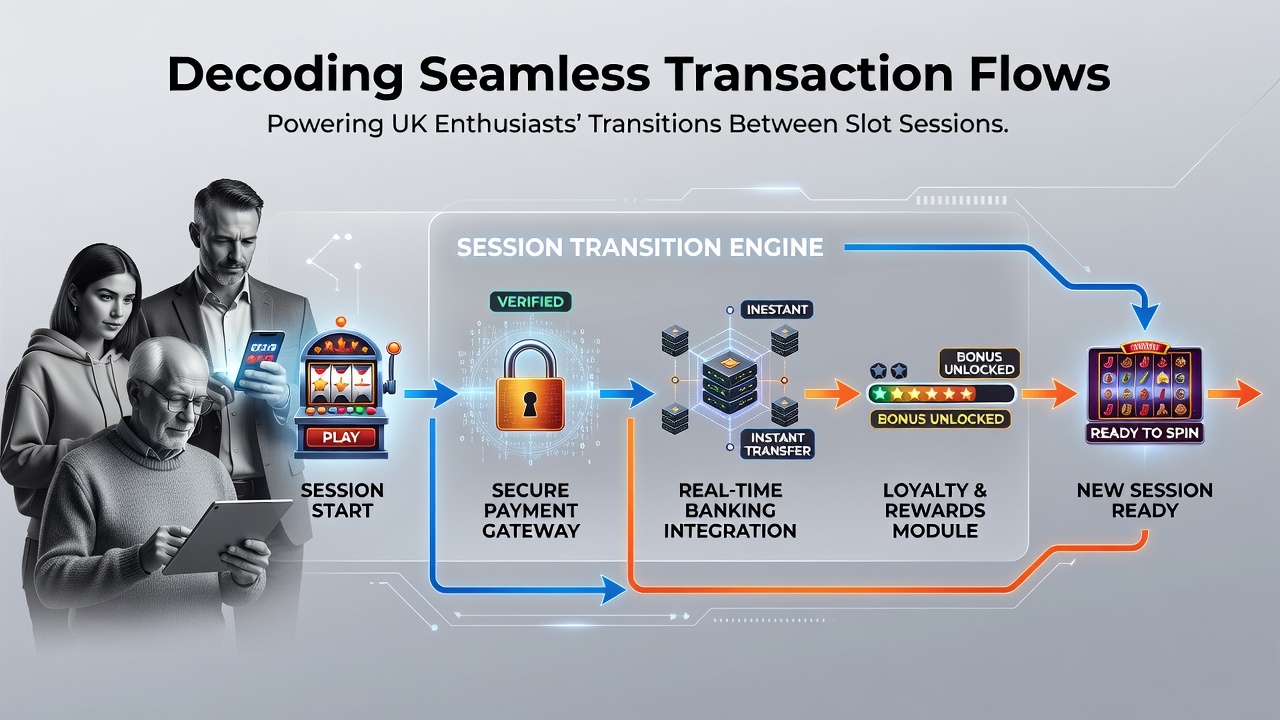
Updates scheduled for rollout in July 2026 emphasize enhanced API standards that further align slot and table game economies within single apps. These changes focus on standardized reporting formats for cross-game activity, which help operators monitor player behavior across formats more efficiently. Industry associations outside the UK have highlighted similar approaches in other regions as models for reducing processing friction.
Security Protocols and User Verification
Biometric authentication tied to device hardware supports quick re-entry into live sessions after slot play, while maintaining compliance with age and location rules. Two-factor prompts appear only during initial deposits or large withdrawals, leaving mid-session switches unaffected. Evidence from academic papers on digital payments suggests that this selective verification lowers drop-off rates when users navigate between game categories.
Wallet aggregation services allow balances from multiple funding sources to appear as one total, simplifying moves between slots and dealer-led options. When a player exhausts slot winnings and draws from a linked bank account for live bets, the transfer completes via established rails that prioritize speed over manual intervention.
Future Developments in Transaction Efficiency
Emerging standards around instant settlement protocols promise to extend these capabilities further by the end of 2026. Operators testing these systems report fewer interruptions during high-volume periods, such as evening live table peaks following afternoon slot sessions. Data indicates that platforms adopting these protocols maintain consistent performance metrics across device types common in the UK.
Conclusion
Transaction infrastructures continue to evolve through technical refinements that prioritize continuity between slot sessions and live dealer interactions on mobile devices. These systems rely on established encryption, unified ledgers, and selective verification steps to support player movement without added steps. As standards advance, the underlying flows are expected to handle increasing volumes while preserving security and speed.